While driving home from the Kgalagadi Transfrontier National Park, I was rather looking forward to sharing my incredible experience. The beauty of this extraordinary landscape was still fresh in my mind, and I couldn’t wait to recount the highlights of my adventure.
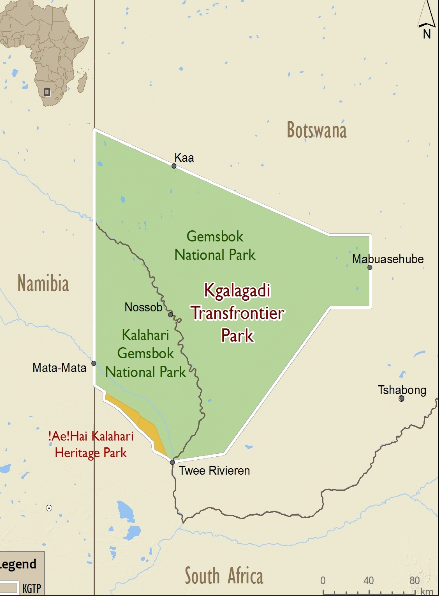
The Kgalagadi, a vast and stunning region renowned for its breathtaking landscapes and unique wildlife, is situated in the Northern Cape, South Africa as well as traversing into Botswana. This remarkable area spans across both Botswana and South Africa, encompassing a diverse array of ecosystems that attract visitors from around the globe.
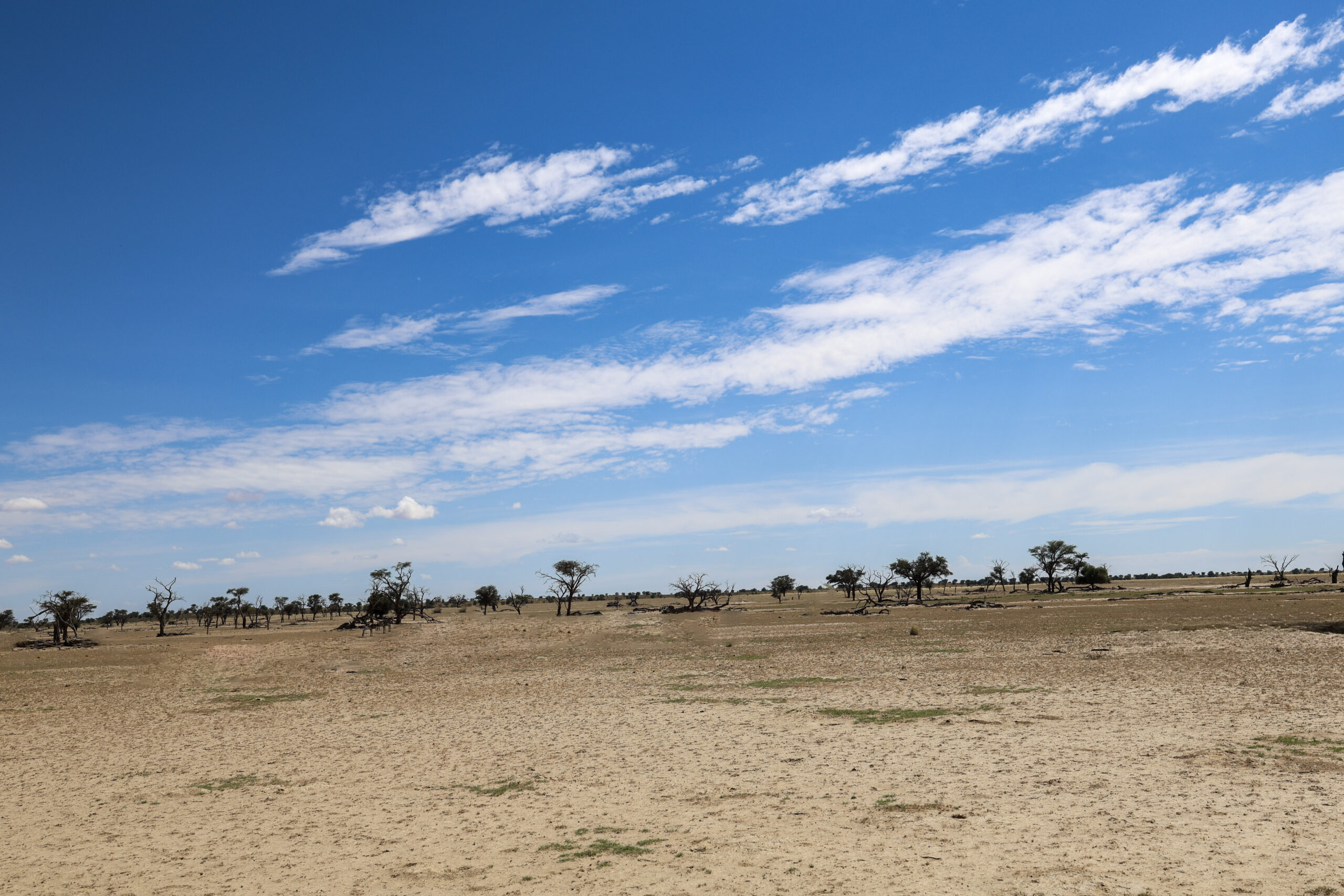
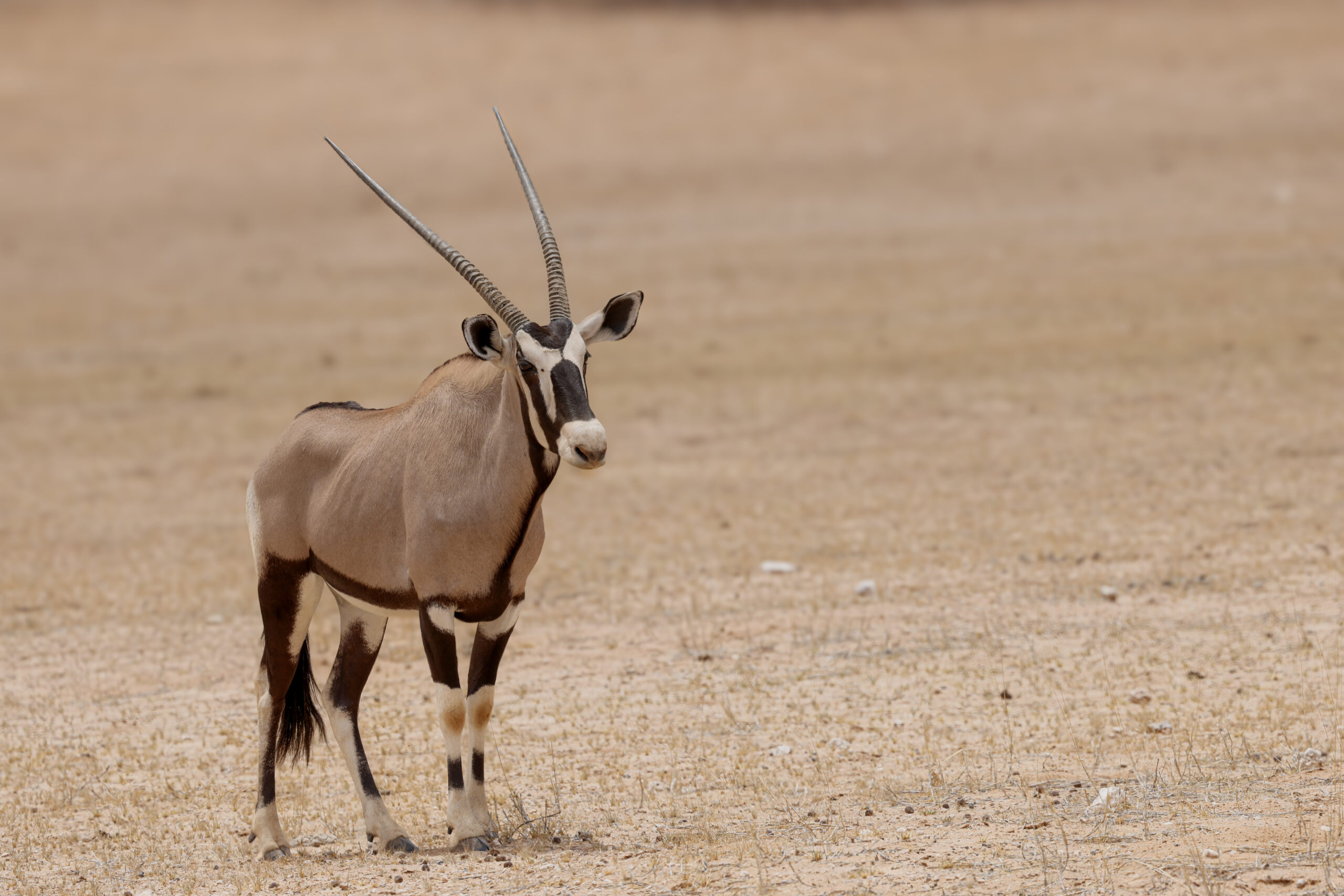
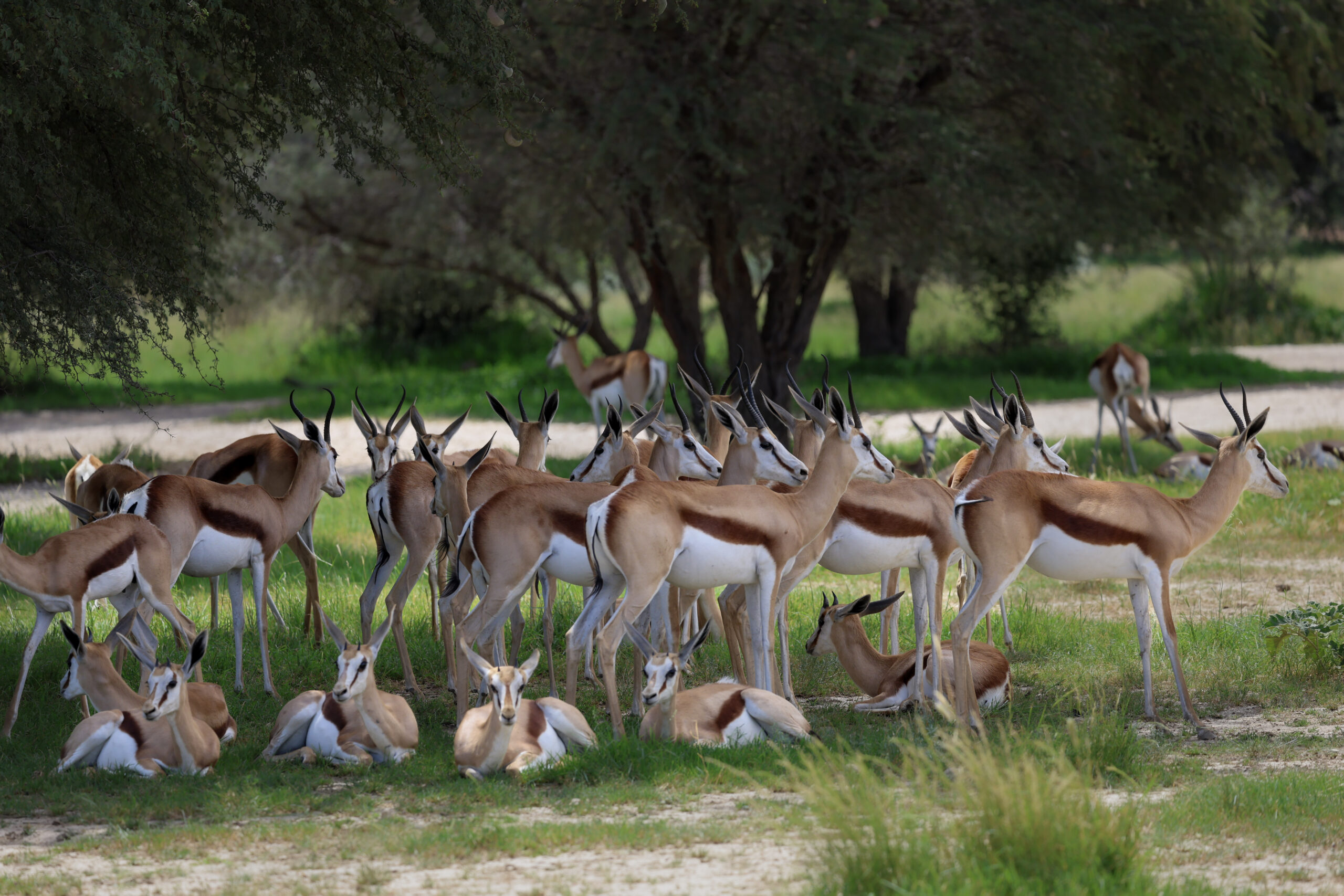
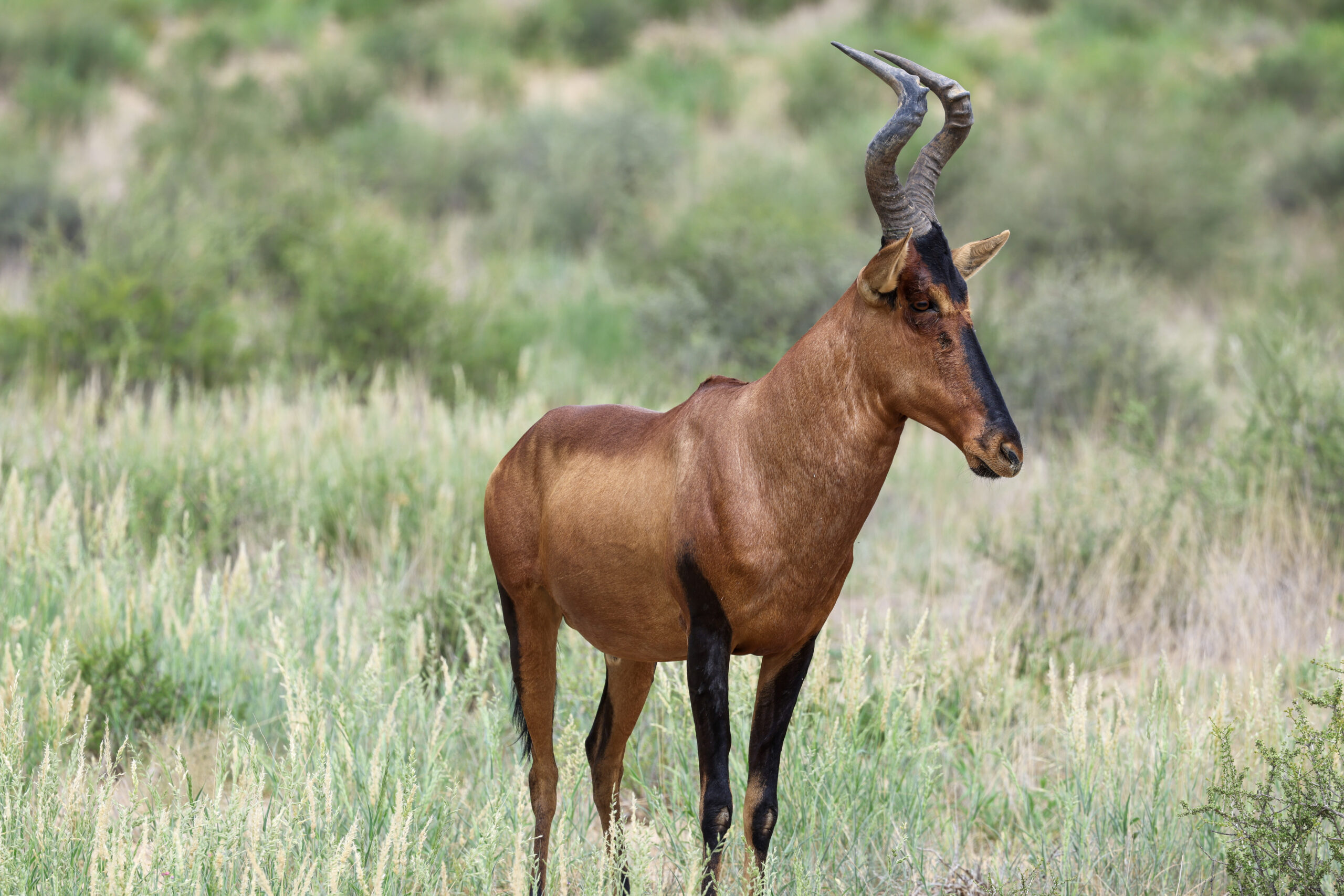
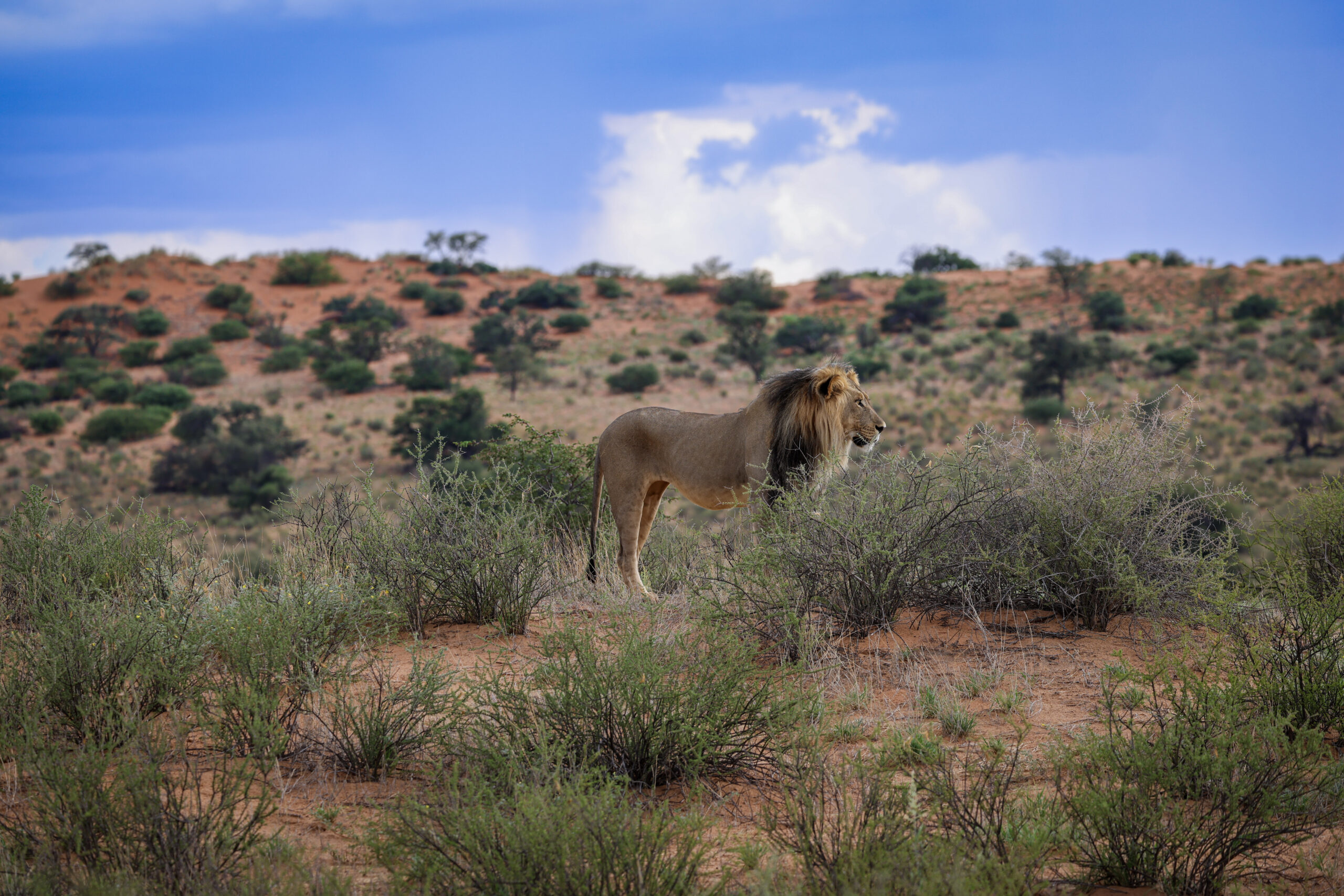
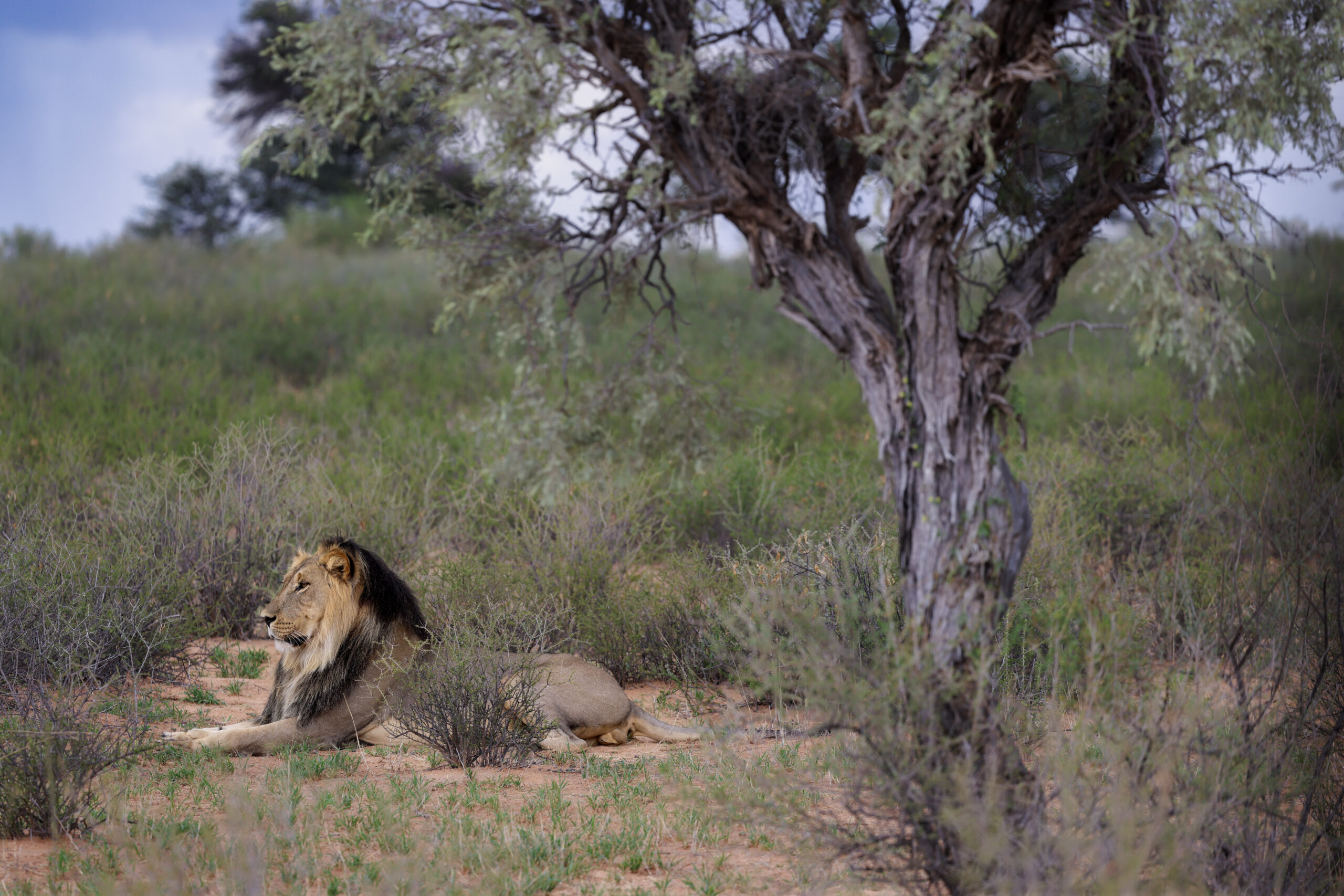
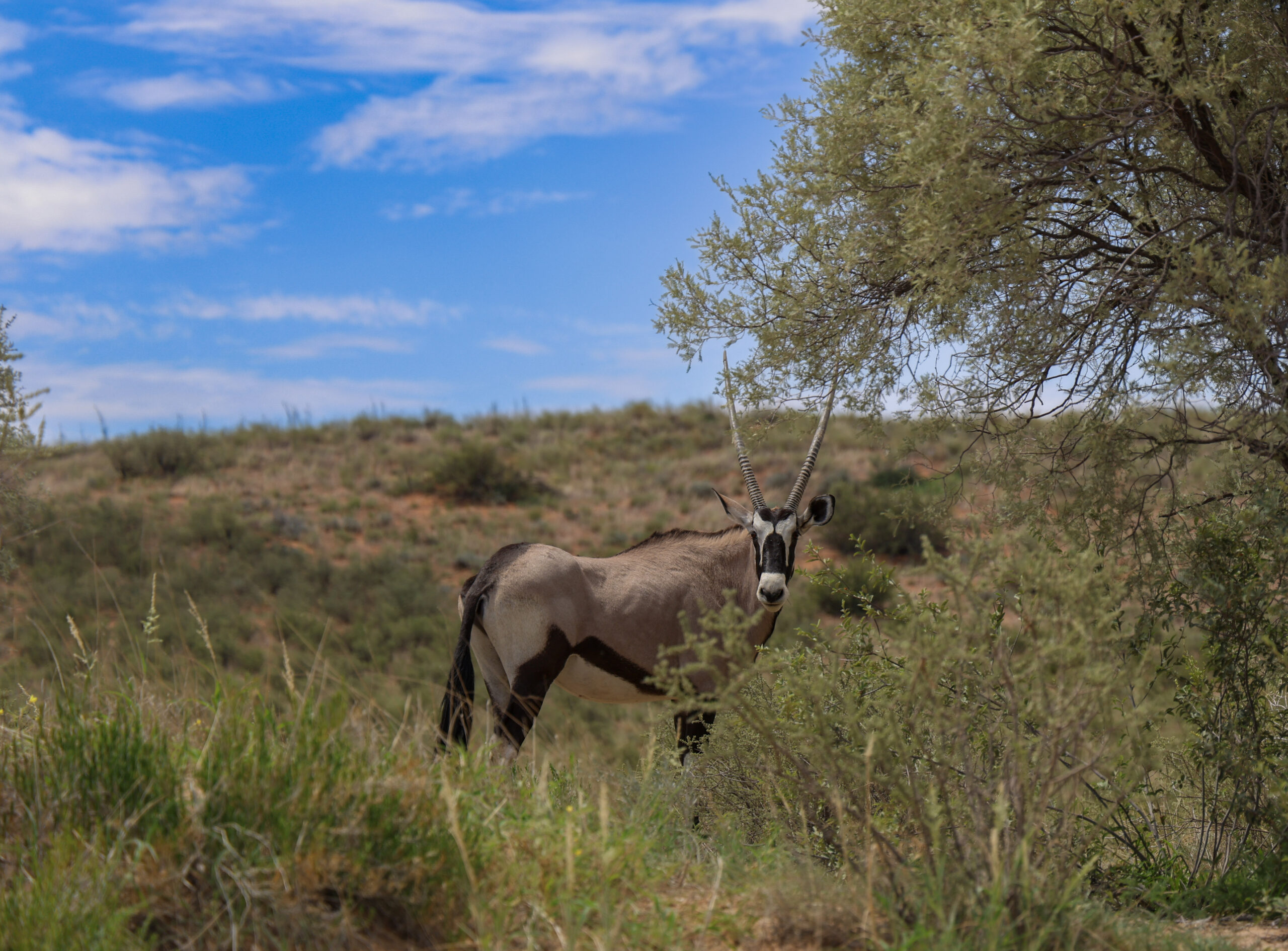
Where the striking red dunes and vast scrubland seamlessly fade into infinity, herds of gemsbok, springbok, eland, and blue wildebeest gracefully follow the rhythm of the seasons. It is a place where imposing camel thorn trees provide much-needed shade for huge black-mane lions lounging lazily beneath them. These majestic predators, with their regal presence, are a sight to behold. Meanwhile, the trees also serve as excellent vantage points for leopards stealthily observing their surroundings and for countless raptors soaring overhead, scanning the terrain for their next meal. This breathtaking tranquillity can only be found in the incredible Kgalagadi Transfrontier Park, a true gem that captivates the hearts of all who visit.

Accommodation options in the stunning Kgalagadi are diverse and cater to various preferences, comprising three main rest camps (Twee Rivieren, Mata-Mata, and Nossob) that provide family chalets equipped for comfort, along with camping facilities for those looking to connect with nature. Additionally, five charming rustic wilderness camps (Kieliekrankie, Urikaruus, Gharagab, Bitterpan, and Grootkolk) offer truly secluded self-catering experiences that allow visitors to immerse themselves in the natural beauty of the park. For those seeking a more luxurious experience, the renowned! Xaus Lodge presents an exquisite getaway with enhanced amenities and breathtaking views.
Most of the accommodations are self-catering, which means that visitors are encouraged to bring their supplies, including food and drinks, to fully enjoy their stay in this magnificent park. This ensures a more personalized experience as guests can prepare meals at their own pace, making the most of their adventure in this unique natural sanctuary.
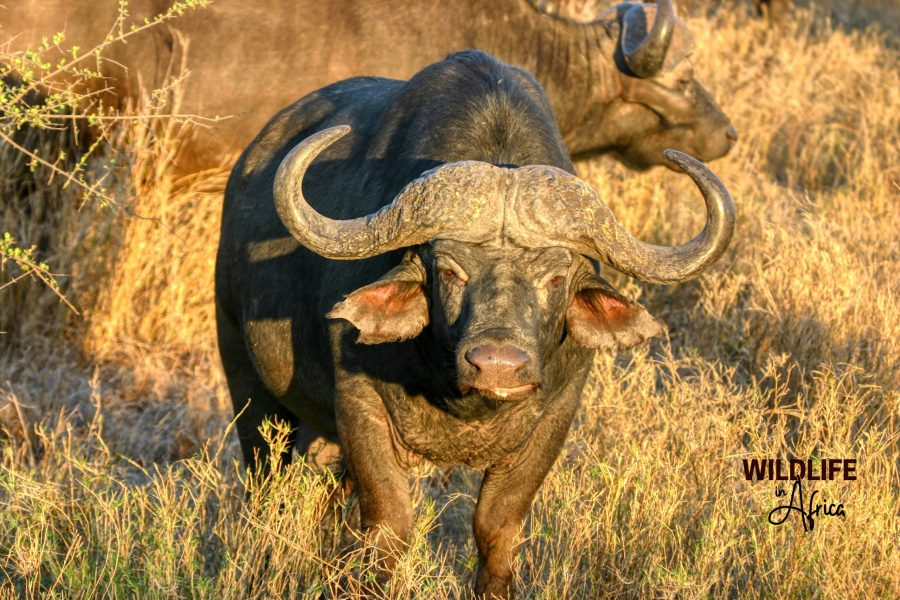
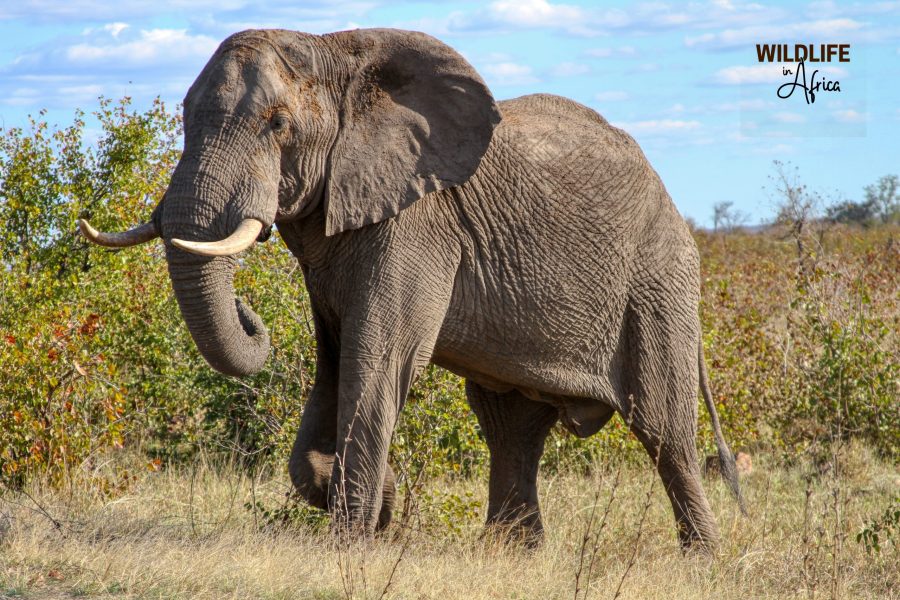
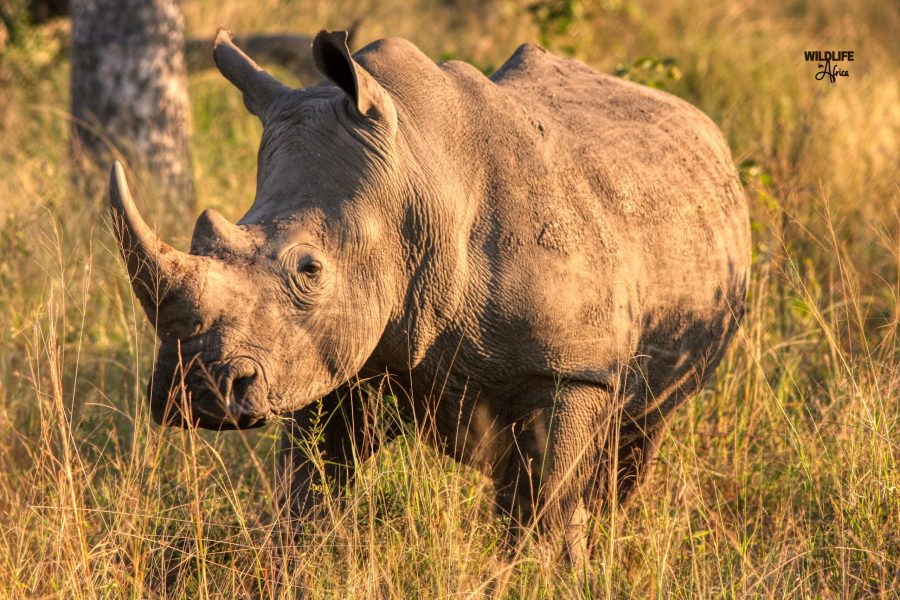
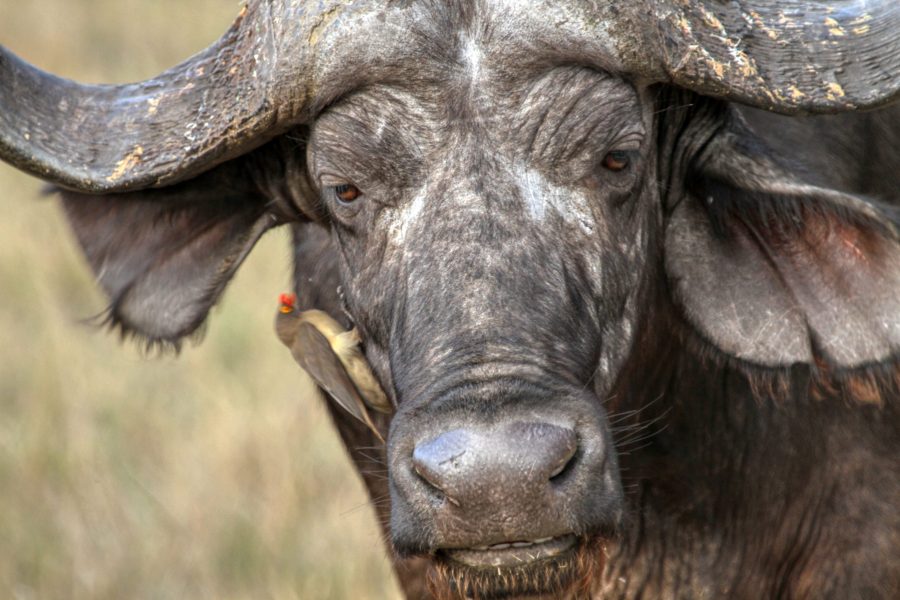
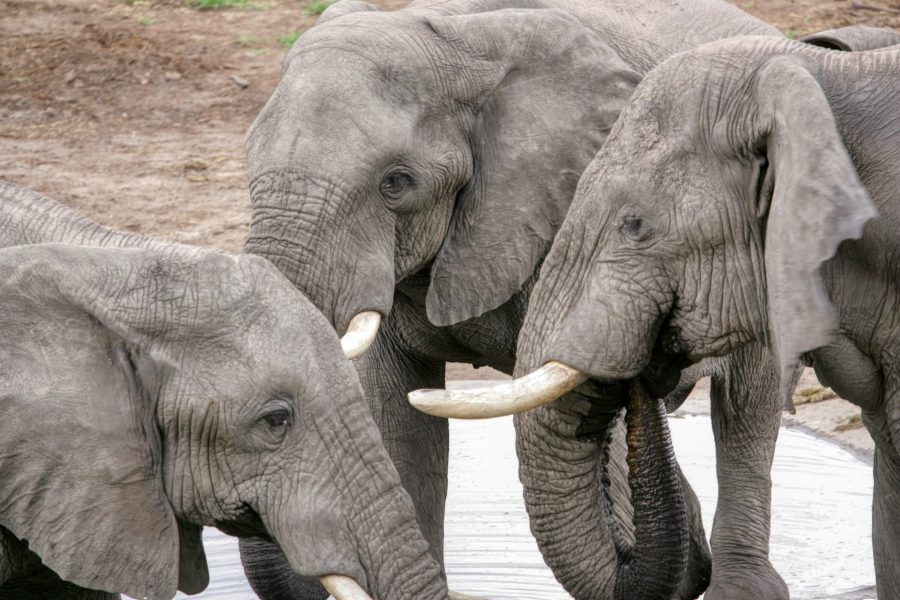
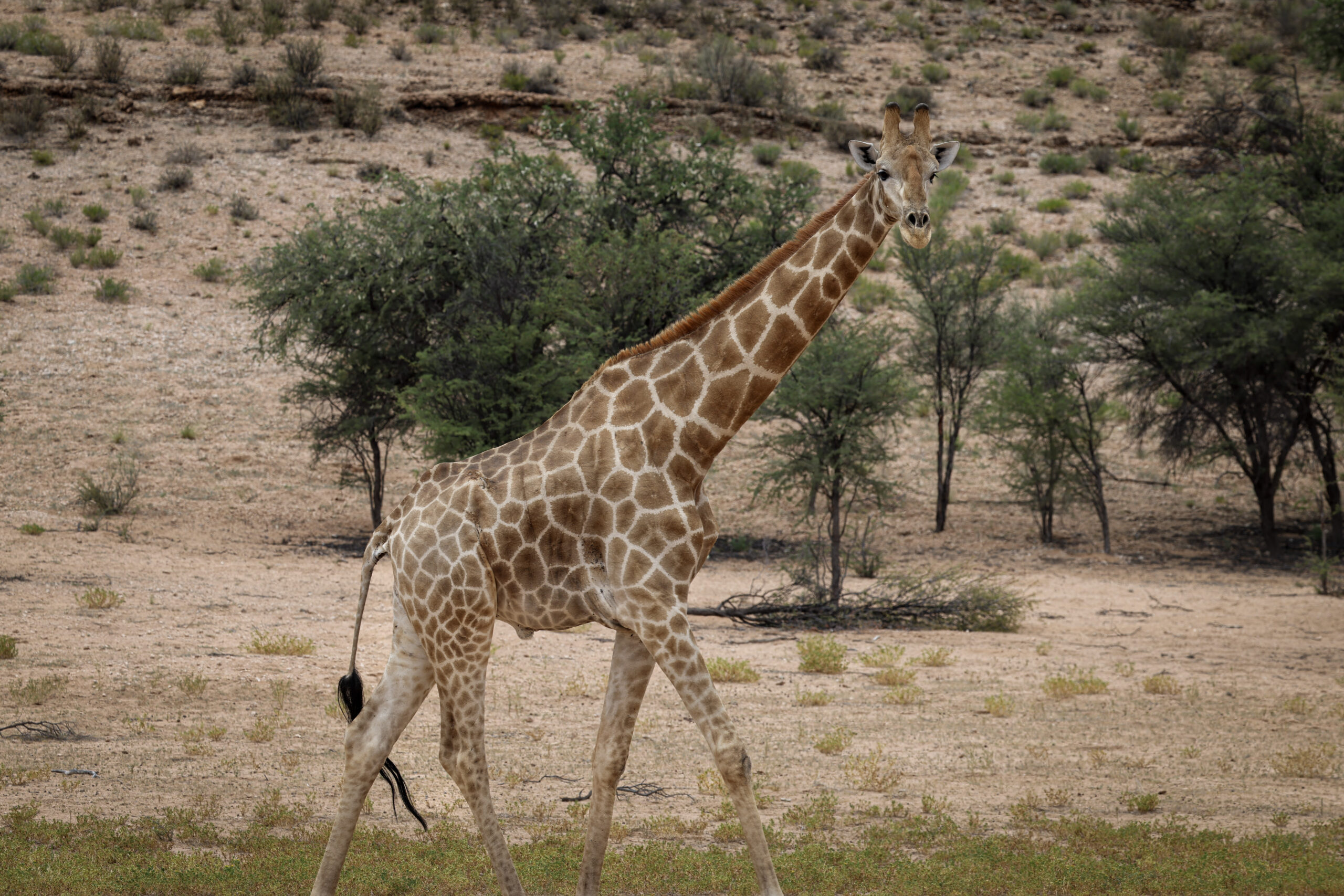
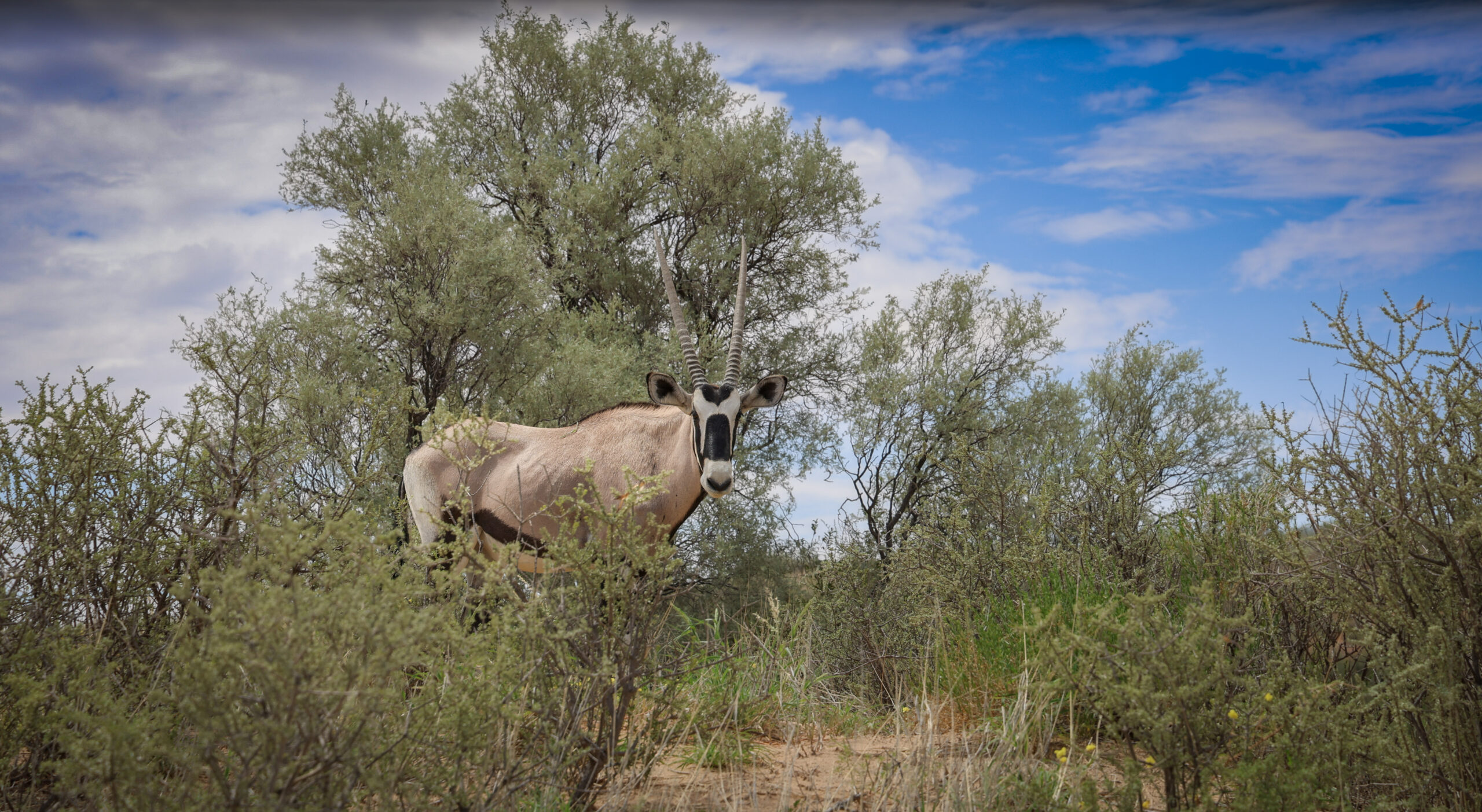
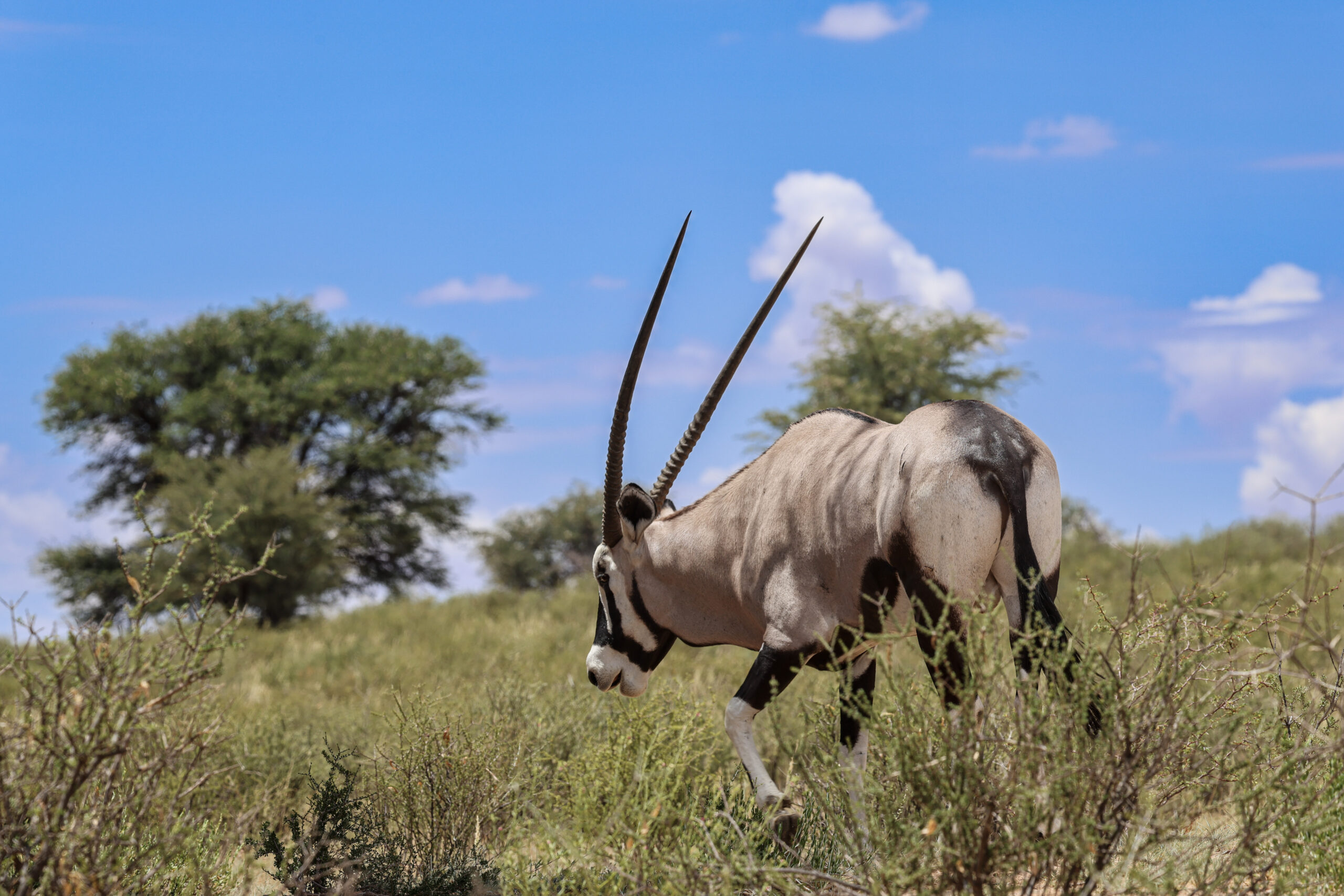
Game viewing in the Kgalagadi is truly exceptional and is often described as one of the best wilderness safari experiences in Africa. Visitors are frequently captivated by the opportunity to spot formidable predators such as the famous black-maned Kalahari lion, cheetah, and leopard, all of which thrive in this unique environment. The park features dry riverbeds that stretch for miles and vast, stunning red dunes that beautifully contrast with the arid landscape, making it an ideal location for tracking large antelope and magnificent raptors. While the park does not accommodate elephants, rhinos, or buffalo, the diverse range of wildlife you can encounter here is unmatched. The experience of wandering through this captivating wilderness, with its rich tapestry of colours and sounds, leaves every visitor with unforgettable memories and a deep appreciation for nature.
The Kgalagadi is renowned for its unique and diverse wildlife, specially adapted to thrive in the harsh, arid conditions of the Kalahari Desert. This stunning park is most famously home to the majestic black-maned Kalahari lion, which epitomizes the wild beauty of the region. In addition to the lions, visitors may also encounter the elusive pangolin, known for its distinctive armour and shy nature, the tenacious honey badger, famed for its fearlessness, and the enigmatic aardvark, a nocturnal creature known for its long snout and digging habits. Other unusual species that inhabit this extraordinary landscape include the bat-eared fox, with its large ears designed for acute hearing, the graceful Cape fox, as well as playful ground squirrels, charming meerkats, and the rare and tiny black-footed cat, which is a hidden gem of this wildlife haven. Each of these species contributes to the rich tapestry of life found in the Kgalagadi Transfrontier Park, making it a spectacular destination for wildlife enthusiasts and nature lovers alike.
Traveling to the Kgalagadi Transfrontier Park from Johannesburg involves a long road trip, typically covering over 900 km and taking roughly 10–11 hours of driving time, usually passing through or near Upington.
As you make your way, you’ll witness a dramatic change in landscapes, transitioning from the bustling urban environment to serene desert vistas.
The journey takes you from the North West province into the far Northern Cape, with the main entrance point being Twee Rivieren.
Visitors staying overnight at a number of the park-run camps, namely Twee Rivieren, Nossob, Mata-Mata and the Kalahari Tented Camp can enjoy a guided morning or sunset guided game drives.
These guided drives offer a unique opportunity to witness the diverse wildlife in their natural habitat while being accompanied by knowledgeable guides.
For those looking for some exercise, the parks also offer guided walking safari experiences where visitors can accompany a guide through the bush on foot in search of African wildlife.
As temperatures rise, the pools provide a refreshing escape from the heat and are a perfect way to unwind after a day of exploration.
During the hot summer months guests staying at Twee Rivieren,Kalahari Tent camps, Mata Mata and Nossob camps can also enjoy a swim in the swimming pool.
The reserve has a number of 4X4 trails to explore ranging from a few hours to overnight excursions.
Adventurous visitors can also choose to embark on a self-guided tour of these trails for a more personal and immersive experience.
The two longest trails are the 214 kilometre Nossob Eco Trail and the 257 kilometre Wilderness Trail.
The reserve is known to offer fantastic game viewing from watering holes and guests are advised to pack a picnic or a few snacks, head to a nearby waterhole and sit back and relax for a few hours, watching as a wide variety of African game; from Lion, Cheetah and Leopard, to Gemsbok, Blue Wildebeest and Common Eland, all come down to the water to drink and cool down.
This tranquil experience offers an incredible chance to observe the animal kingdom at its finest, especially during the early morning or late afternoon when wildlife is most active.
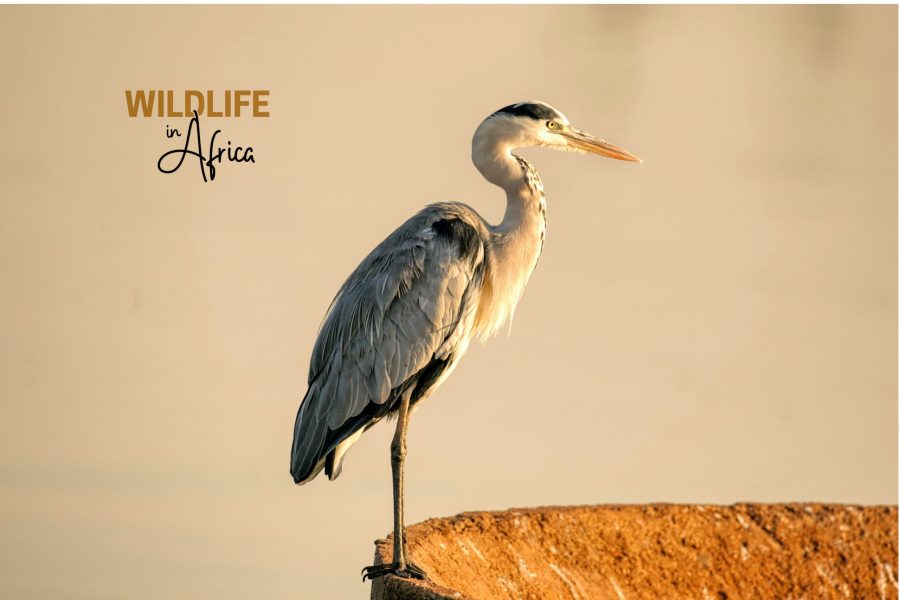
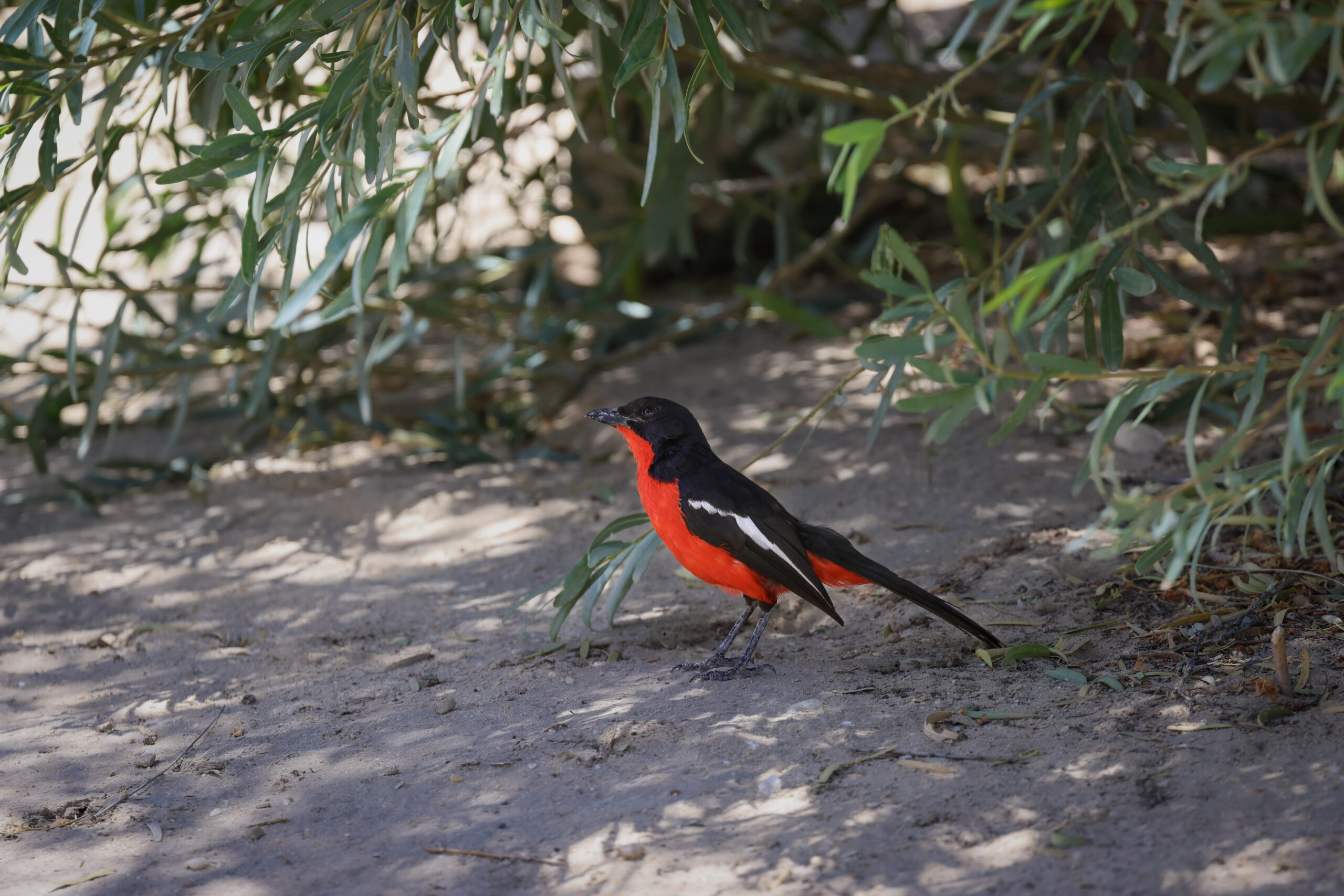
The water holes and rivers are also the best locations to spend some time bird-watching.

The Experience
Many people rate a visit to the Kgalagadi Transfrontier National Park as one of the best safari game-viewing experiences they have ever had.
The diversity of wildlife here provides a thrill for both seasoned wildlife enthusiasts and newcomers alike.
There are 62 mammal species found in the national park and most of them are found in abundance especially the predators with around 450 Lion, 250 Cheetah, 600 Brown Hyaena and around 400 Spotted Hyaena.
This unique experience allows you to fully immerse yourself in the sounds and rhythms of the African bush, where nature is at your doorstep.
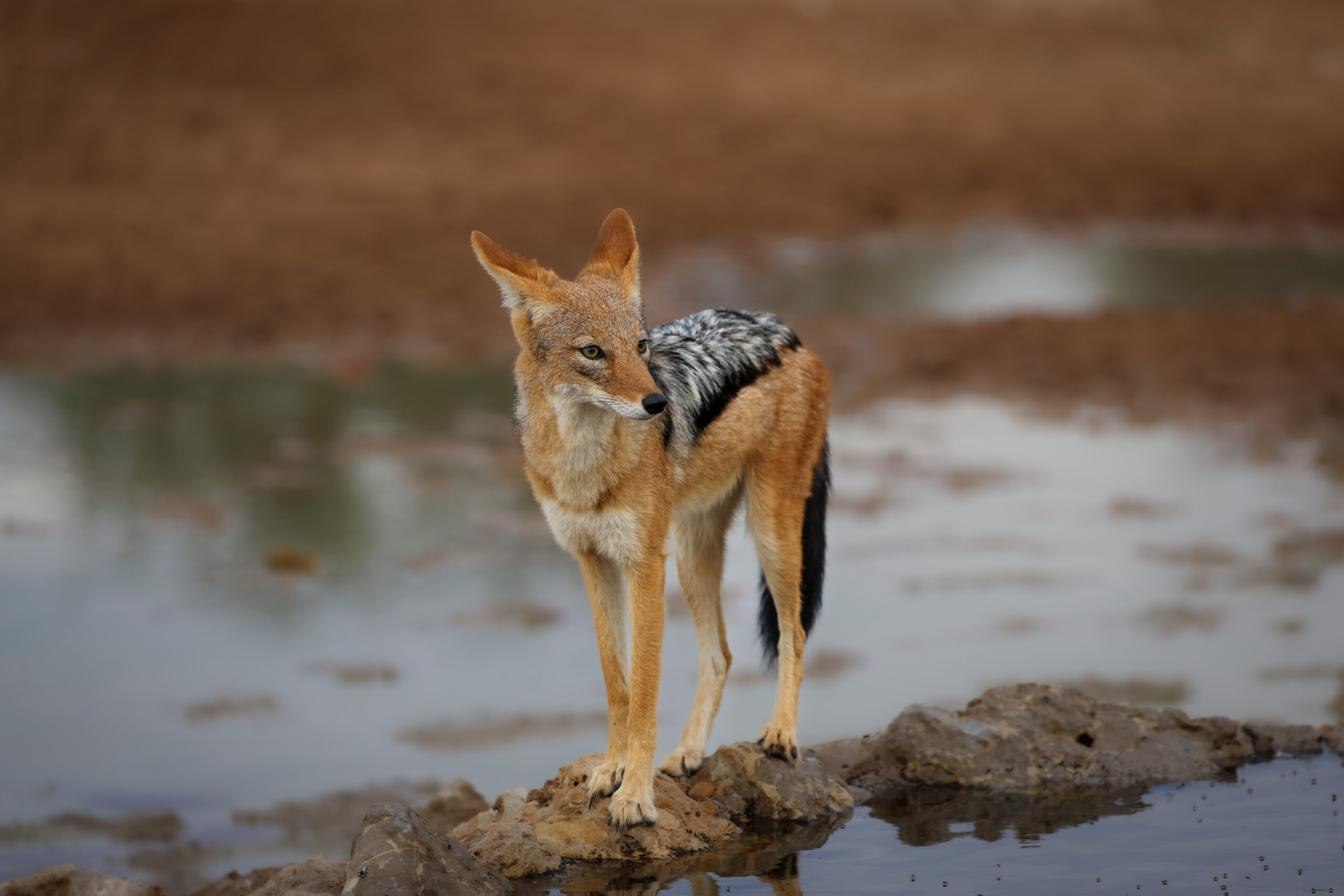
A rustic and truly African experience, unless you are staying in one of the luxury safari camps, do not expect perfectly maintained accommodation facilities but you will enjoy the sense of being in the wild with the unfenced camps allowing Jackal and other game to saunter past your camp at night.
A high clearance vehicle, anything bigger than a sedan, is definitely recommended both for navigating the internal road network and also to provide a higher vantage point from which to view the game animals.
Having a reliable vehicle will greatly enhance your overall experience, allowing you to navigate the rugged terrain and access the best viewing spots.
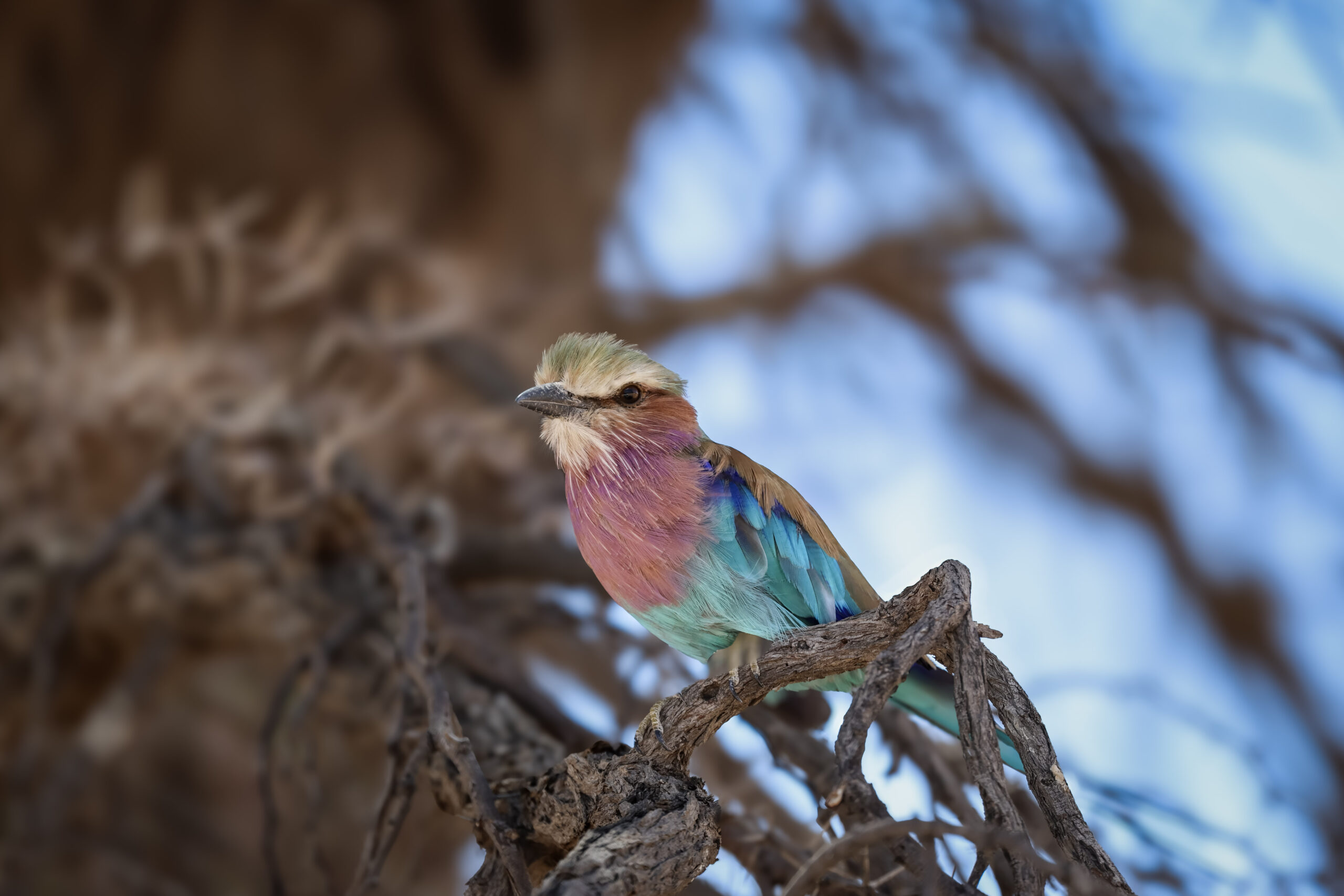
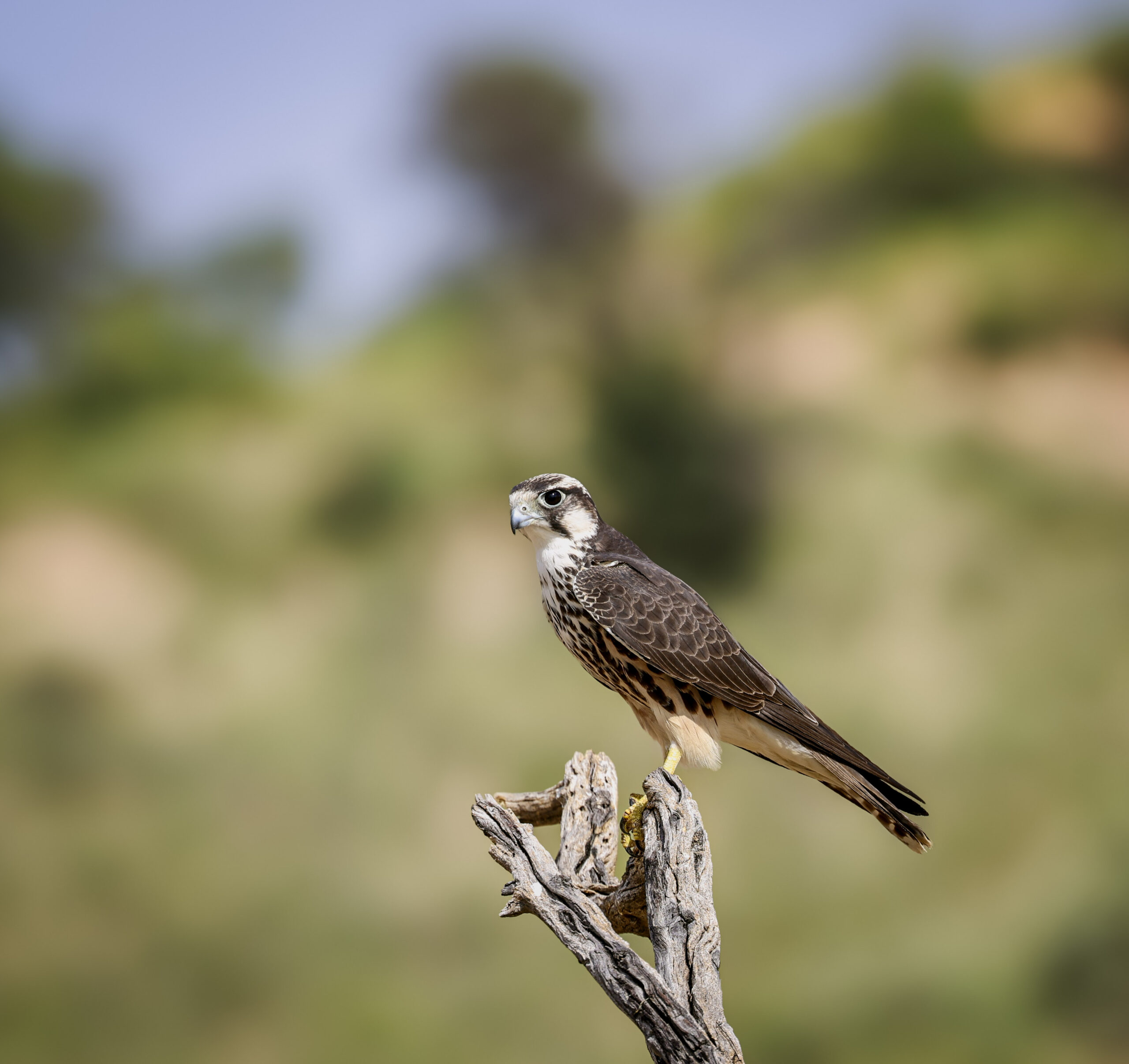
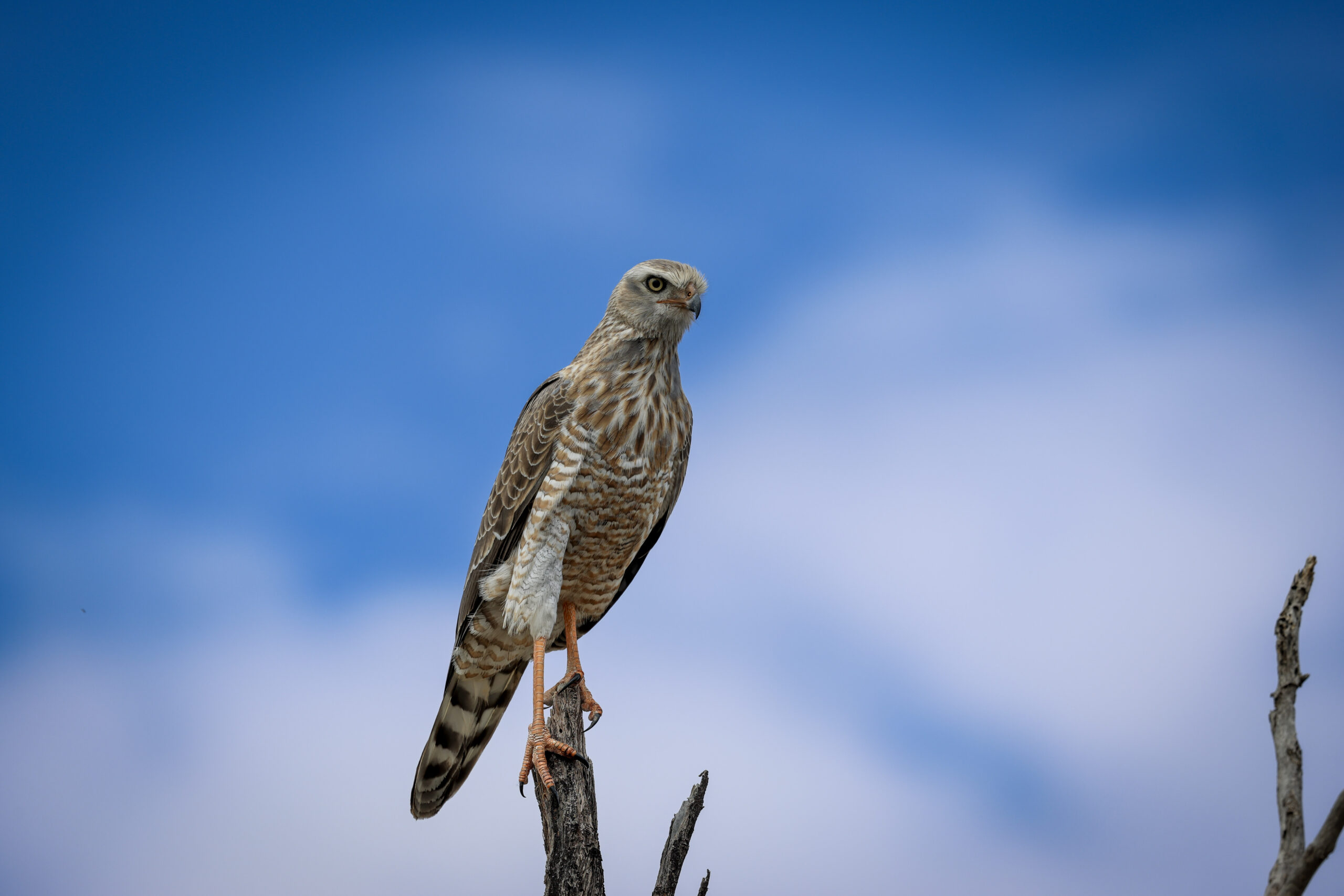
Bird watching is also a popular activity in the nature park and there are at least 203 species of birds recorded here.
This incredible biodiversity makes the park a prime destination for birdwatchers and wildlife photographers alike.
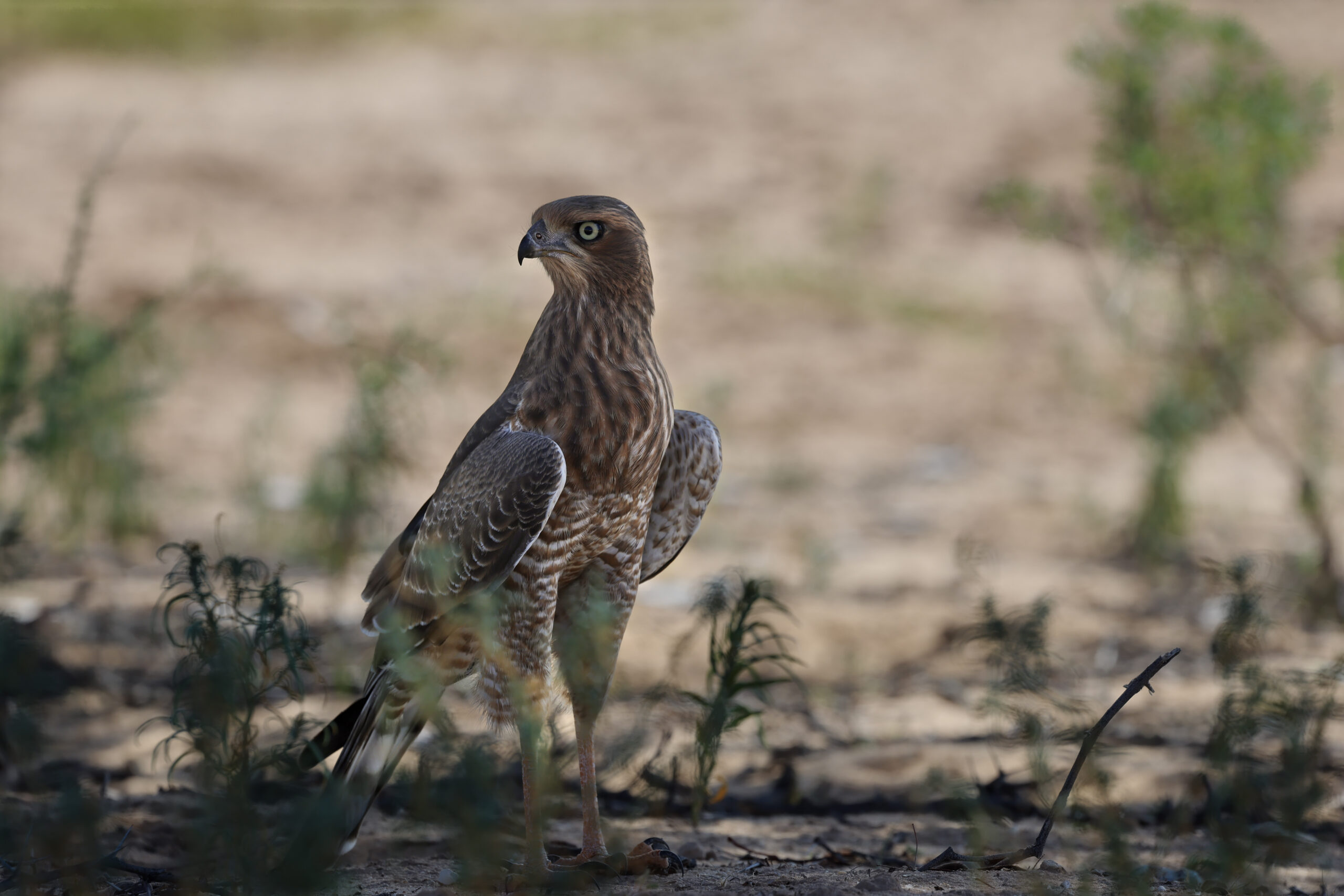
The raptors are definitely a highlight and regular sightings of all sorts of birds of prey are reported from sightings of Pygmy Falcons to Lappet-faced Vultures.
With proper patience and quiet observation, bird watchers can often be rewarded with breathtaking views of these magnificent creatures.