One of the highlights on my trip to Namibia was Sossiesvlei in the Namib Desert. One of the oldest deserts on the planet estimated to be 55 Million years old.
A salt and clay pan surrounded by towering sand dunes in the Namib Desert
The name “Sossusvlei” means “dead end marsh” in Afrikaans.
The pan is fed by the occasional floods of the Tsauchab River, which creates a lush oasis for camel thorn trees.
Visitors can climb the surrounding dunes for stunning views of the desert landscape.
A clay pan located near Sossusvlei, characterized by its stark contrast of white clay, black dead trees, and orange sand dunes.
The trees in Deadvlei died when the Tsauchab River changed course, leaving them stranded and unable to access water.
The dry climate has preserved the trees from decay, creating a unique and haunting landscape.
Visitors can walk through Deadvlei and explore the skeletal remains of the trees.
The Namib Desert is considered one of the oldest deserts in the world, with its formation estimated to have begun around 55 million years ago.
Sossusvlei is famous for its towering red sand dunes, some of the highest in the world. The vibrant colour comes from iron oxide in the sand.
Have you heard of Deadvlei? It’s another fascinating spot within the Sossusvlei area. It’s a white clay pan dotted with the skeletons of ancient camel thorn trees, creating a stark and surreal landscape.
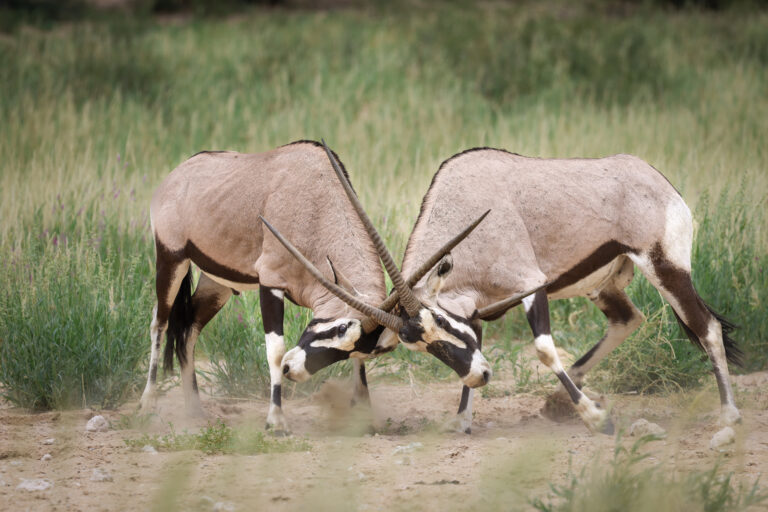
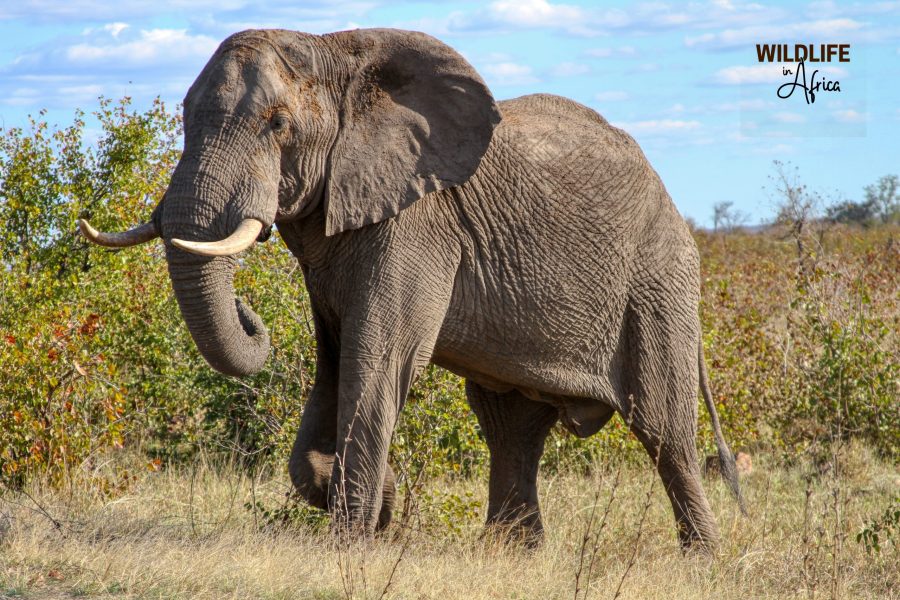
Despite its harsh conditions, the Namib Desert is home to a variety of specially adapted wildlife, including oryx, springbok, and the elusive desert-adapted elephants.