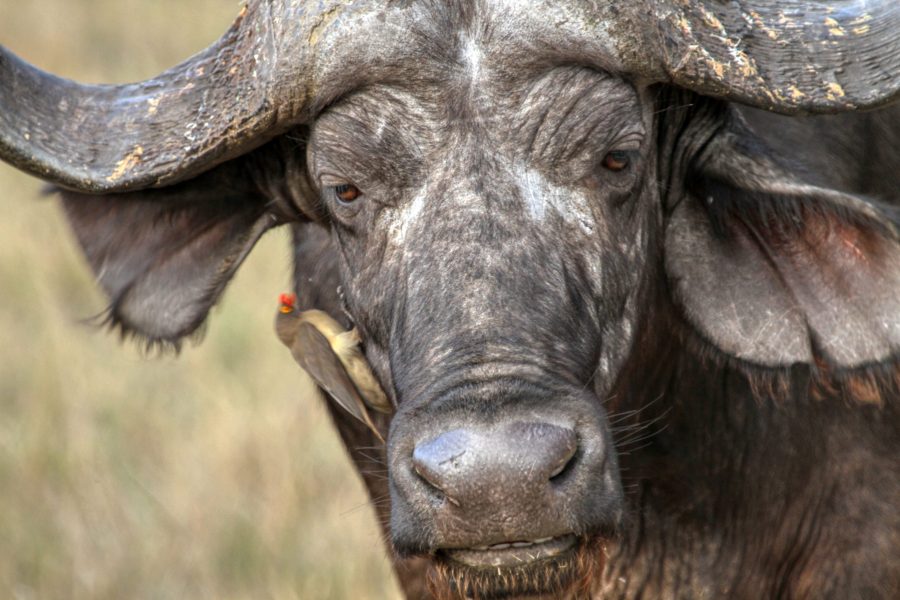
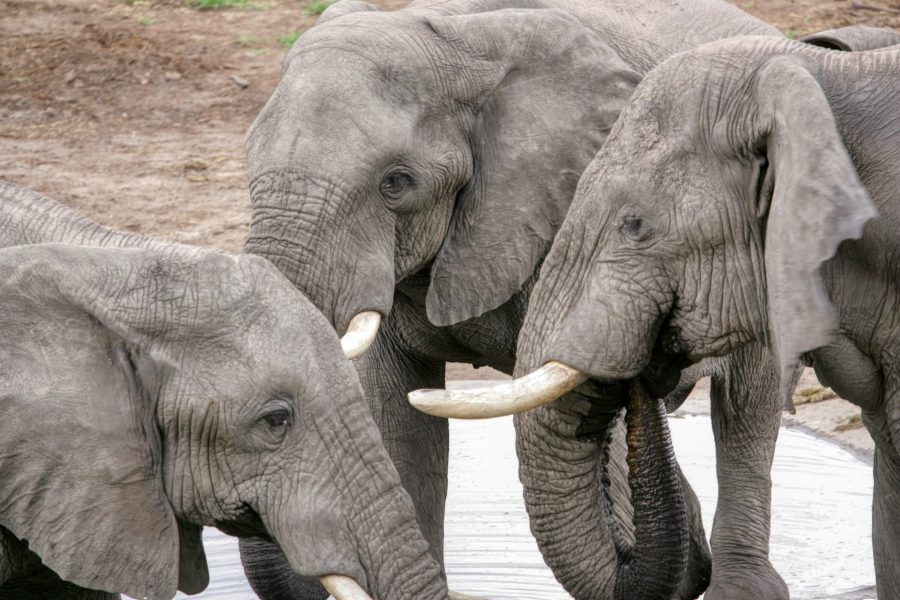
Today I post on my blog a reality that has an extremely negative impact on our environment, wildlife and will affect future generations to come and that is poaching out dear wildlife which has been given to us by the universe and now is being destroyed by mankind.
I recently visited a game reserve which borders South Africa, Botswana and Zimbabwe.
The landscapes here tell stories of resilience, yet they bear witness to human-induced tragedies that threaten their very existence.
During my stay, I encountered dedicated conservationists who are tirelessly working to protect these vulnerable species.
Every brush with nature revealed not only its grandeur but also the silent cry for help from those who depend on it.
The beauty of the landscapes and the diversity of animals left me in awe, but it was overshadowed by the grim reality of conservation efforts being undermined.
The loss of these animals signifies not just an ecological disaster, but a cultural one as well, eroding the connections between communities and their natural heritage.
Despite their efforts, the challenges they face are daunting, as poaching continues to be a lucrative trade that affects countless species.
Each incident serves as a sobering reminder of the plight these animals endure, often at the hands of desperate individuals.
On several game drives, I was exposed to the horrific scenes of poacher’s mayhem of wildlife being poached through the night.
The psychological toll on both nature and those fighting for its preservation cannot be underestimated.
It was a stark reminder of the ongoing battle between humanity’s greed and the natural world’s fragility.
The haunting absence of wildlife echoes profoundly in the ecosystem, reminding us of what has been lost and what is at stake.
Each morning, the thrilling sounds of nature were replaced by the eerie silence that follows the violent removal of these majestic creatures.
In the midst of such beauty, the dark shadow of extinction weighs heavily on my heart.
I found myself grappling with the stark contrast between the vibrant life around me and the shadow of devastation looming over it.
Witnessing these losses, I struggled to find words that could capture the enormity of the tragedy unfolding in front of me.
The heartbreaking scenes are indescribable.
This distressing reality challenges us to confront our values and responsibilities towards the planet.
The impact of such actions is poignant, and it ignites a sense of urgency in everyone who witnesses it.
Observing this devastation firsthand has ignited a spark within me to advocate for positive change.
Witnessing such destruction during my visit has left a deep mark on my conscience.
While poverty may drive individuals to poach, it should not justify the destruction of our shared wildlife legacy.
Yes, the cycle of poaching is complex, intertwined with issues such as unemployment and lack of education.
Finding a way out of this cycle requires a multifaceted approach, combining empathy with practical resources.
It was very apparent to me that there are people out there that have no regard for our heritage and the future of wildlife.
Then I have to ask myself, is this happening due to poverty and survival.
We need to foster understanding and cooperation that looks beyond immediate survival to aim for long-term sustainability.
Could we not invest more in sustainable alternatives that empower local communities while protecting our wildlife?
Is it merely a cycle that continues to repeat, or is it a deeper issue that calls for urgent action from all of us?
There must be away around this happening to our planet.
Looking ahead, we must consider innovative practices that engage and uplift communities rather than exploit our natural resources.
Governments must prioritize environmental sustainability and support conservation initiatives at all costs.
Leaders must act with a sense of urgency, understanding that the stakes are higher than short-term gains.
It is their duty to implement stricter laws and to ensure the protection of these irreplaceable resources.
Without concerted efforts, future generations may inherit a planet vastly diminished in biodiversity.
Now is the time for officials to act decisively and implement conservation strategies that are effective and lasting.
It must be a collective venture that balances economic growth with ecological preservation to ensure a liveable future.
What is the responsibility of government and their responsibility to put an end to our planet being destroyed.
We cannot continue down this path; it is not just wildlife at risk, but our own survival on this planet.
This means nurturing a culture of respect for wildlife, alongside innovative community development programs.
To achieve lasting change, we must work towards empowering individuals with the knowledge and tools needed to thrive sustainably.
Ultimately, it’s a collective struggle that blends the need for ethical treatment of wildlife with socio-economic solutions.
As partners in this global community, our responsibility extends beyond borders to protect what cannot protect itself.
By addressing these issues holistically, we can aim for a future where both wildlife and local populations thrive together.
Education is key; empowering the next generation with knowledge about conservation and wildlife can spark meaningful change.
The fostered relationships between conservationists and communities provide a model for this transformative approach.
Only through collaboration among governments, NGOs, and local communities can we forge a path towards a more sustainable world.
Through shared knowledge and resources, we can create a society that values and protects its natural wonders.
A united front is essential, harnessing the strengths of various sectors to combat this pressing issue.