White-Backed Vulture
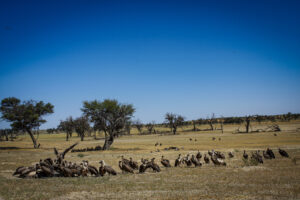
The White-backed Vulture (Gyps africanus) is a highly social, critically endangered scavenger crucial to African ecosystems, capable of stripping a large carcass in minutes.They possess extraordinary eyesight, allowing them to spot carcasses from high altitudes, sometimes up to 5 kilometres away.Their populations have suffered not only from direct human actions but also from habitat destruction and a decline in available food sources.Additionally, climate change has further exacerbated their struggles by altering the ecosystems vital to their survival.Often found in savanna, they are the most common African vulture, yet their populations have declined by over 80% due to poisoning, making them critically endangered. Here are some interesting facts about the white-backed vulture: They are extremely sociable, gathering in groups of up to 100 birds, and can consume a large carcass (like a zebra or wildebeest) in roughly 3 to 10 minutes. While their bills cannot tear through thick skin, their long, bare necks allow them to probe deep into carcasses through wounds or natural openings to reach soft tissues. Listed as Critically Endangered, they are facing a severe population crisis with an estimated 90% decline in some areas over the last three generations. When they spot a carcass, they tend to arrive in large numbers, often guiding other vultures and carnivores to the food source. They are monogamous and breed once a year during the dry season, usually laying only one egg.The female typically lays her egg in a deep depression at the nest’s center, ensuring its protection.Typically, they choose to nest in tall trees away from human activity to ensure the safety of their young.Both parents are involved not only in incubation but also in feeding and protecting the chick once it hatches.Parents share incubation duty for roughly two months. They have a broad, impressive wingspan of over 2 meters (up to 2.25 m) and weigh between 4.2 and 7.2 kg. They build large, 1m wide stick nests in high trees, particularly Acacia trees, though they have been recorded nesting on electricity pylons in South Africa. As a key member of the “ugly five,” they play a vital ecological role by removing diseased carcasses, which prevents the spread of bacteria in the environment. Their biggest threats include poisoning (linked to poaching), loss of habitat, and lack of food.This crisis is posing significant challenges to biodiversity and ecological balance in their habitats.Conservation efforts are crucial, involving habitat protection, combating poisoning, and educating local communities about their importance.To support these magnificent birds, various organizations are actively working on breeding programs and legislative measures. Engaging the public through campaigns and activities is also important to foster a greater understanding of their plight.
The Pilanesberg
I am excited to explore the Pilanesberg National Park’s diverse wildlife and the beautiful landscapes that surrounds the Pilanesberg. I will be visiting the reserve over the next few days and hopefully get some great photo’s and some interesting facts about the region. With an area of 550km², it is the fourth largest park in South Africa.This breathtaking park is home to a variety of wildlife, including the Big Five.The volcano crater in which the park is situated erupted 1300 million years ago.These tribes had a significant impact on the area’s history and cultural heritage.Pilanesberg was originally owned by 3 of the local tribes.These archaeological findings offer a glimpse into the rich history of human settlement in the region.Many of the Stone Age and Iron Age sites around the reserve show proof of the presence of man. I can’t wait to share my experiences and insights once I return.
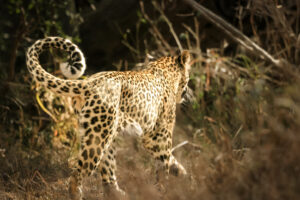
Southern Africa
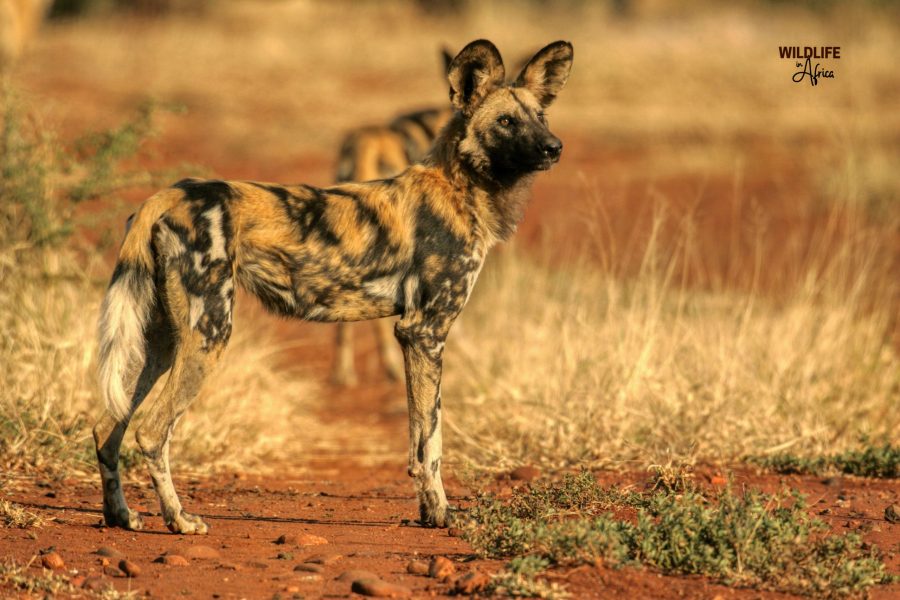
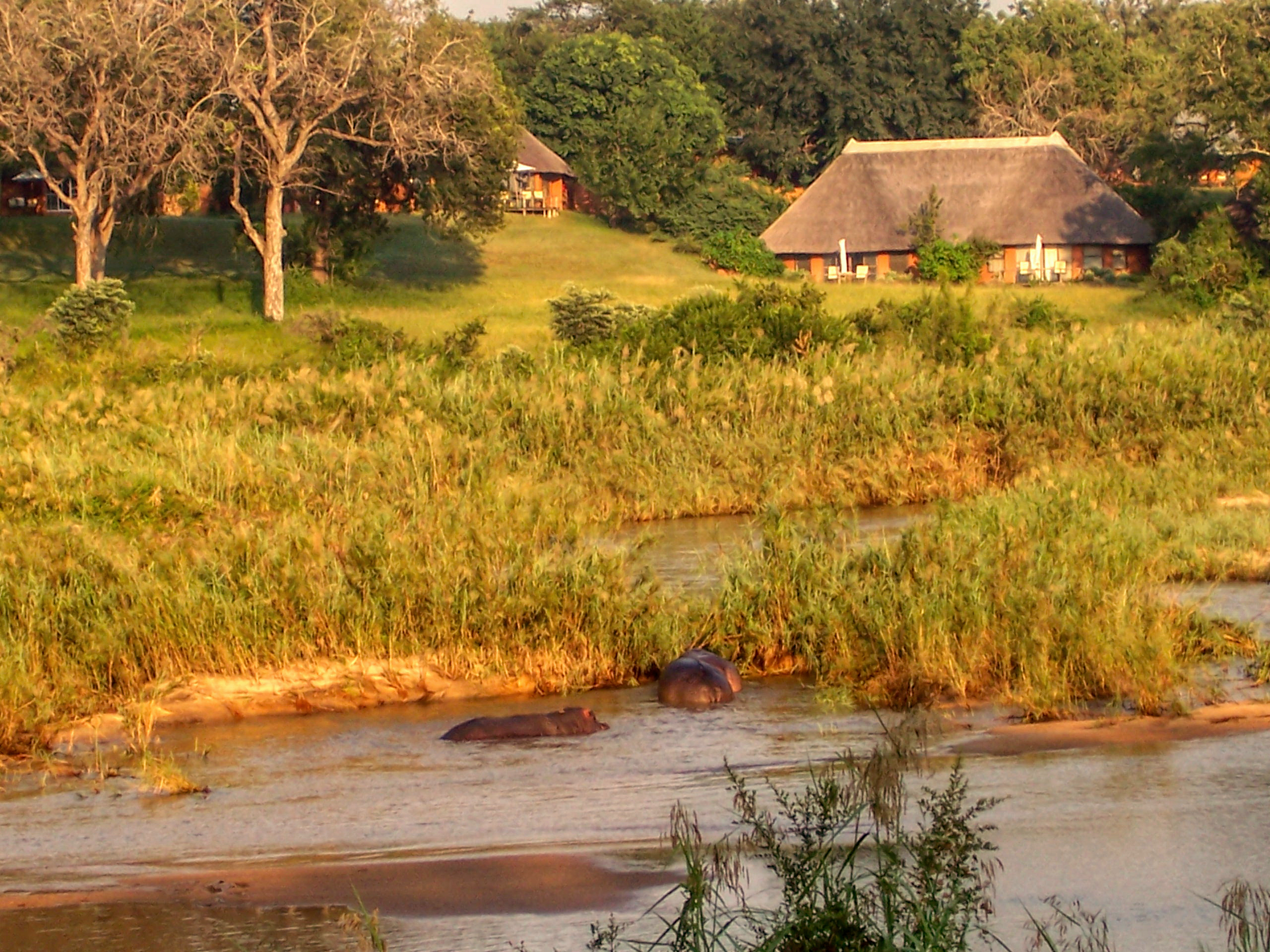
While I am on my various road trips and thrilling safaris throughout Southern Africa, I often get asked by international tourists visiting the region about the must-see attractions and experiences.From the majestic Table Mountain in Cape Town to the breathtaking Victoria Falls, there is so much to explore.Many of these travelers are unfamiliar with the vast and beautiful landscapes that the region has to offer. Whether they are adventure seekers or culture enthusiasts, each visitor has the opportunity to immerse themselves in the natural beauty of the landscapes.As a result, I often find myself recommending the ultimate trip to Southern Africa, highlighting key destinations, unique wildlife encounters, and unforgettable cultural experiences that can truly enhance their journey in this remarkable part of the world. Flying into the beautiful and vibrant country of South Africa, my first night will be spent in the bustling and upscale area of Sandton, Johannesburg, known for its modern amenities and vibrant nightlife.The atmosphere pulsates with energy, filled with high-end shopping center’s, fine dining restaurants, and lively entertainment options.This lively suburb offers a unique blend of luxury and culture, making it an excellent introduction to my journey.Here, I’ll explore the local cuisine, indulging in traditional dishes and delightful street food that reflect the rich heritage of the region. The following day, I will embark on an exciting adventure, making my way to the breathtaking greater Kruger National Park region, a renowned destination for wildlife enthusiasts and nature lovers alike.I cannot wait to immerse myself in the diverse landscapes, from the open savannahs to lush forests, each teeming with remarkable flora and fauna. This vast area is home to numerous exclusive private game reserves, in addition to the world-famous Kruger National Park itself, each offering unique experiences and opportunities to encounter Africa’s incredible wildlife up close. With a camera in hand and a spirit of adventure, I’m ready to capture unforgettable moments that showcase the beauty of this majestic land. This region offers a wide variety of options that cater to different budgets and preferences, ensuring that there is something for everyone.From lodges nestled in the wilderness to charming guesthouses that offer a more intimate setting, these options provide unique experiences for every type of traveller.Whether you’re looking for luxury experiences or more cost-effective choices, you’ll find an array of accommodations and activities to explore. To list just a few of the incredible game experiences available in this area, I would highly recommend the following renowned destinations: Sabi Sands, Thorny Bush, Kapama, Klaserie, along with all the exclusive private concessions that are located within the magnificent Kruger National Park. For the adventure-seeker, activities such as guided safaris, bush walks, and even hot air balloon rides over the savanna are sure to create unforgettable memories. After experiencing the breathtaking beauty and diverse wildlife of South Africa, a place that has not only captivated my eyes but also left an indelible mark on my heart, I am filled with excitement as I look forward to my next thrilling stop. I will be exploring the vibrant city of Durban, known for its rich cultural heritage and stunning beachfront, before I make my way to the awe-inspiring landscapes of Cape Town, a destination that promises unforgettable experiences and breathtaking vistas. While visiting South Africa, if time allows, it is always a rewarding experience to explore the arid and desert regions of the country, such as the stunning Richtersveld, the expansive Kalahari desert, and the breathtaking Augrabies Falls.Each of these destinations reveals distinct geological formations and a variety of indigenous flora and fauna, making them a photographer’s paradise.These areas offer a unique glimpse into the country’s diverse landscapes and ecosystems.The unique combination of arid surroundings and vibrant life forms creates an enchanting environment for nature enthusiasts and adventurers alike.Furthermore, the Kgalagadi National Park is truly a hidden gem, renowned for its incredible wildlife, especially the majestic desert lions that roam the vast plains.Visitors can also engage in activities like birdwatching, stargazing, and guided safaris to fully appreciate the area’s natural beauty.Witnessing these magnificent creatures in their natural habitat is an unforgettable adventure that should not be missed during your travels. In addition, don’t forget to immerse yourself in the local culture, where you can meet the community and learn about their traditions and ways of life. Cape Town has much to offer for visitors, with its stunning landscapes, diverse culture, and rich history that captivates all who arrive. From the iconic Table Mountain, which majestically towers over the city, to the vibrant waterfront bustling with life, there is truly something for everyone to enjoy in this beautiful city. The charming neighbourhoods, infused with a mix of different cultural influences, reflect the city’s unique spirit, while the various activities available—from hiking and wine tasting to exploring local markets—provide endless opportunities for exploration and adventure. Whether you are seeking relaxation or excitement, Cape Town promises unforgettable experiences that will leave you yearning to return. From the vibrant city of Cape Town, I jet off to the stunning and breathtaking landscapes of Botswana’s Okavango Delta, a truly remarkable and extraordinary region known for its abundant and diverse wildlife that captivates all who visit. This incredible area is rich in various species, including the majestic big five—lions, leopards, rhinoceroses, elephants, and buffaloes—as well as the swift and elusive cheetah and the fascinating Cape hunting dog. These magnificent creatures, along with many others, add to the unique and unforgettable wildlife experience that the Okavango Delta has to offer, immersing visitors in a remarkable tapestry of nature’s beauty and complexity, where each moment spent in this wilderness feels like an adventure waiting to unfold. From the stunning and diverse landscapes of Botswana to the breathtaking and awe-inspiring Victoria Falls, which majestically straddles the border between Zimbabwe and Zambia, there is an incredible wealth of natural beauty and adventure waiting to be explored. The journey offers an abundance of unique experiences, rich cultures, and vibrant wildlife that make it an unforgettable travel destination filled with endless opportunities
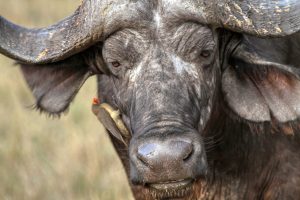
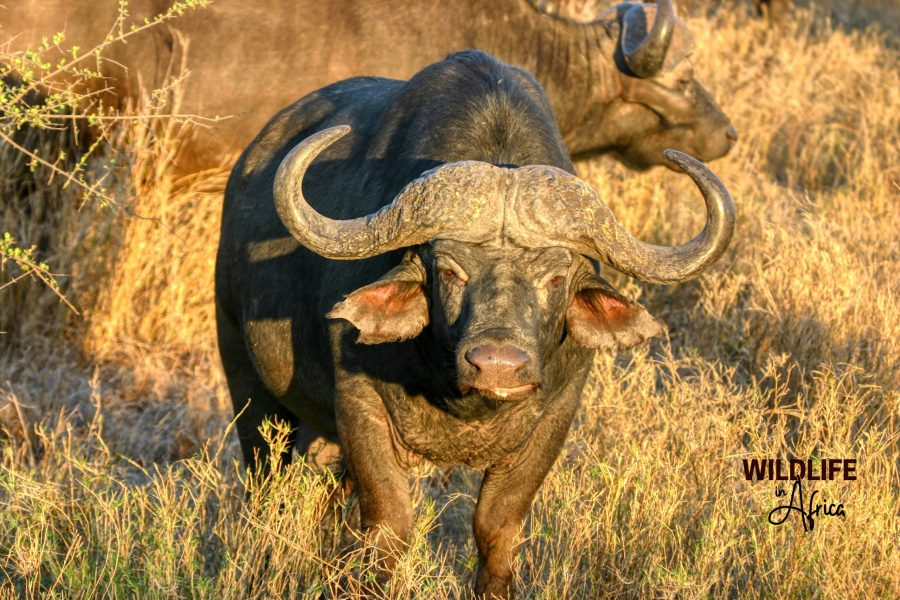
Inyathi – The Cape Buffalo
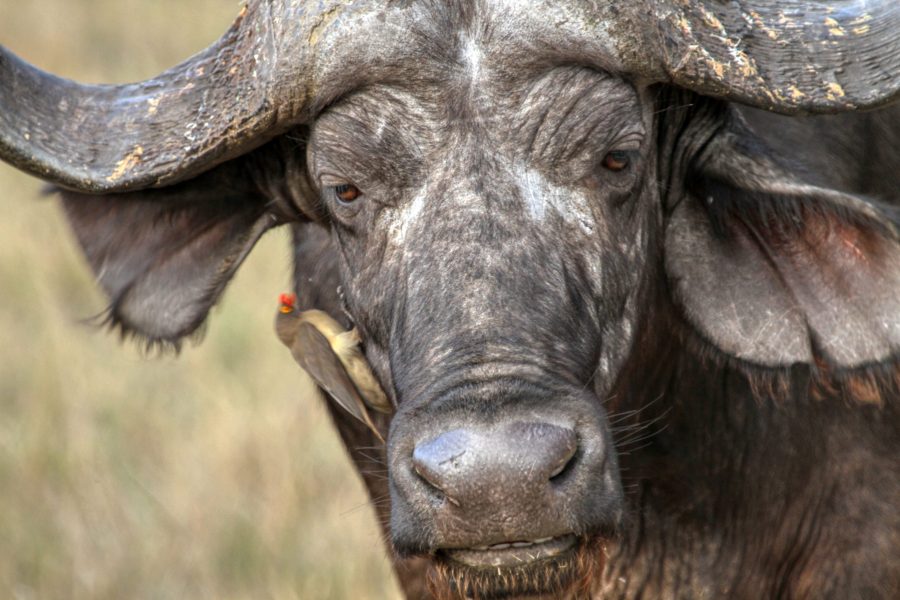
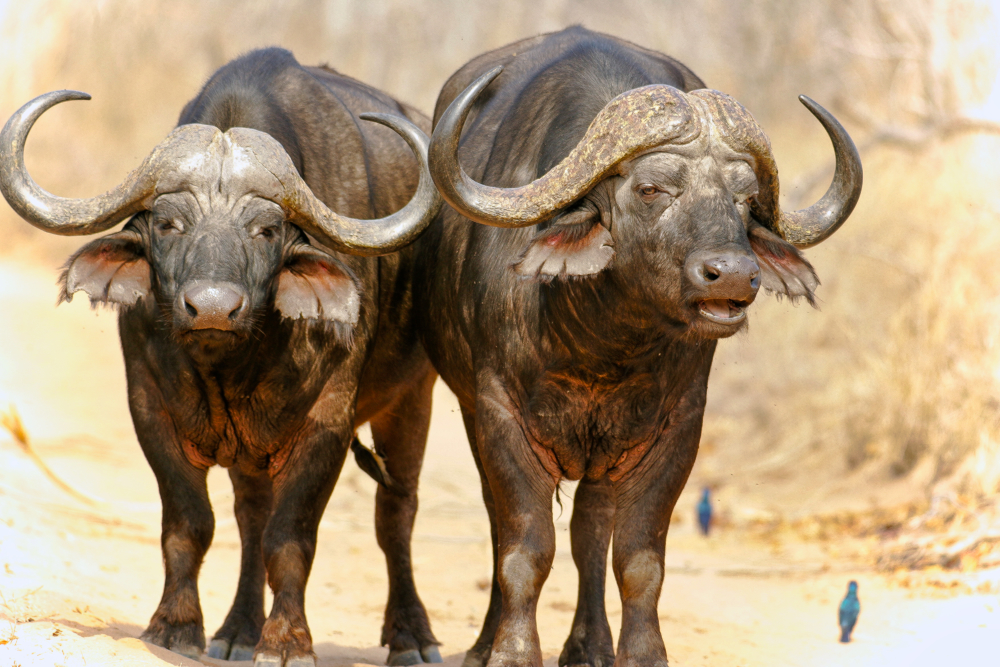
let me tell you all about why the Buffalo is considered one of the Big Five animals and what makes it so dangerous in the wild. As one of the iconic creatures of the African continent, the Buffalo plays a crucial role in its ecosystem, often serving as prey for some of the most formidable predators while simultaneously shaping the landscapes through their grazing habits. The Buffalo, often found grazing in vast grasslands and savannahs, possesses an incredible combination of strength, resilience, and unpredictability that not only captures the attention of wildlife enthusiasts but also instills a deep sense of caution in those who encounter these magnificent creatures.These animals are not only robust; they also possess sharp instincts and keen awareness, which can make them unpredictable and potentially dangerous when provoked.Their sheer muscle mass enables them to navigate the rugged terrains of their habitats with significant power, making them formidable opponents for any predator that dares to challenge them.Their impressive size can intimidate both predators and humans alike, leading to a reputation that often precedes them in the wild. What truly sets the Buffalo apart, however, is its unpredictable nature. Their ability to remain calm in the face of threats can create an illusion of docility, but this misconception quickly dissipates when they feel cornered or threatened.Unlike many other animals that may flee in the face of danger, Buffalo are known to exhibit boldness and aggression, particularly when they sense a threat to themselves or their herd.This fierce protectiveness is a testament to their social structure, as Buffalo live in herds where strong bonds exist among members. This instinctual behaviour is further fueled by their powerful protective instincts, especially when it comes to their young.Witnessing a Buffalo defend its young can be a breathtaking and humbling experience, offering a glimpse into the fierce realities of survival in nature.Buffalo mothers are fiercely devoted, ready to charge at any potential threat, showcasing both their courage and the lengths they will go to defend their calves.These stories not only emphasize the Buffalo’s powerful physical presence but also illustrate the intricate dynamics of human-animal interactions in the wild. There are numerous accounts of encounters between Buffalo and humans that illustrate their raw power and ferocity. Such moments often serve as shocking reminders of nature’s raw power, reinforcing the reality that humans and wildlife must share the same spaces with caution and awareness.For instance, there have been stories of tourists in safari vehicles who have underestimated the Buffalo’s territorial nature, leading to dramatic showdowns where the mighty creatures challenge the vehicles head-on.The encounters can turn swift, highlighting how a seemingly passive animal can become an aggressive force within moments if it perceives danger.Such encounters highlight the need for respect when observing Buffalo in their natural habitat.Respecting the Buffalo’s space is not just a matter of safety; it’s essential for preserving the harmony between humans and wildlife. Moreover, even among the wild’s dominant predators, such as lions, Buffalo are respected adversaries.Their resilience and unyielding spirit make them a focal point for conservation efforts and wildlife tourism.Tactical hunting efforts by lions often involve group strategies to take down a solitary buffalo, showcasing the Buffalo’s reputation as a creature that demands both respect and caution from all who cross its path.In the animal kingdom, the narrative surrounding the Buffalo tells a story of survival, strength, and the inherent dangers present in the wilderness. It is this unique blend of strength, unpredictability, and protective nature that cements the Buffalo’s status as a symbol of wild tenacity within the Big Five, a creature one should admire from a safe distance.Ultimately, the Buffalo’s story is one of coexistence, prompting awe and respect from those fortunate enough to witness its majesty.

The Oryx
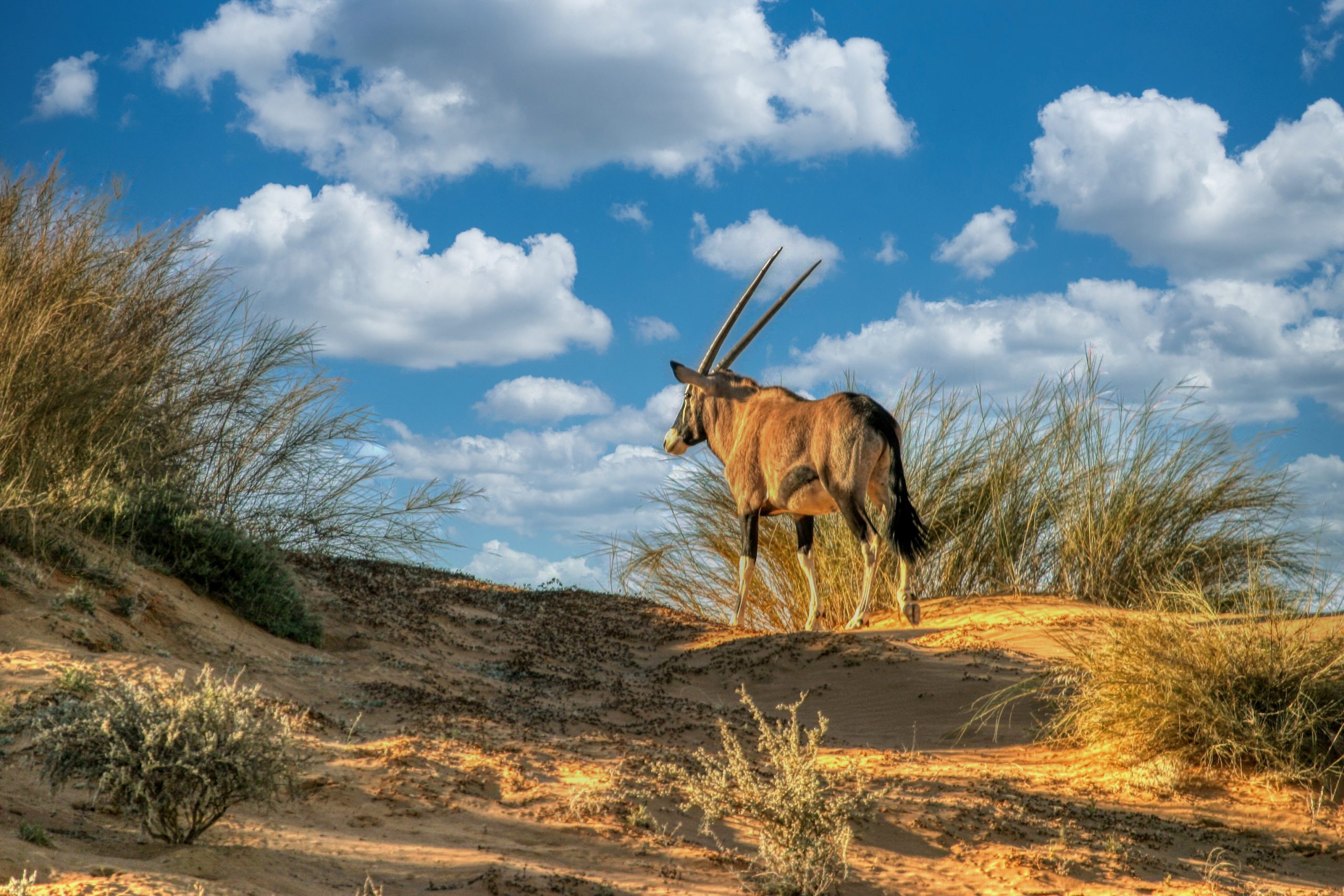
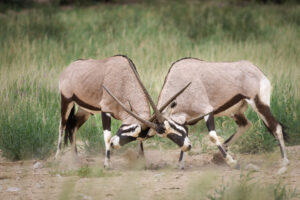
In the arid landscapes of the Kgalagadi Transfrontier Park, male gemsbok (oryx) engage in battles that are as elegant as they are lethal.These duels serve not only as a means of establishing hierarchy but also as a dramatic display of physical fitness and endurance.These intense confrontations are critical for establishing dominance within a herd and determining mating rights.The outcome of these fights can influence the social structure of the entire herd for months to come.Unlike many antelopes that head-butt, gemsbok utilize their 30-to-40-inch, rapier-like horns to “fence,” often fighting side-by-side to avoid being impaled by their opponent’s straight-forward lunge Without warning, they locked horns with a loud crack that echoed across the dry riverbed.As if prepared for a grand performance, the bulls displayed calculated movements and fierce determination.Each clash sends vibrations through the earth, a testament to the strength and vitality of these magnificent creatures.Suddenly, their movements quickened as they anticipated each other’s tactics.They stood side-by-side, manoeuvring, attempting to hook their horns backward to strike the neck or chest of the other.Every thrust seemed choreographed, revealing the elegance underlying their fierce competition.This dramatic display of agility and strength captivates any observers fortunate enough to witness such a spectacle.Witnessing this primal conflict is a privilege that resonates deeply within the souls of nature’s admirers.To the onlookers, it looked less like fighting and more like a precise, deadly sword fight—a 19th-century duel played out with natural weapons. The fight lasted for what felt like hours.Time seemed to lose meaning as the two giants engaged in their age-old ritual.With each thrust and parry, the tension in the air became palpable, as if nature itself held its breath.The brightness of the midday sun cast long shadows as they fought, enhancing the drama of the moment.The sand was kicked up, coating their sleek gray coats.He felt the weight of the fight shift with every calculated thrust of his horns.Now on the offensive, he seized the moment to apply pressure, testing the limits of his rival.In a split second, the struggle tipped in favor of the more seasoned fighter.At one point, the challenger managed to push the older bull backward, his horns raking the older bull’s side.This delicate dance of dominance showcased the intricacies of their combat style.In a display of skill, he struck with remarkable precision, forcing his opponent into a defensive position.With renewed vigor, he deftly deflected the younger bull’s thrusts, maintaining control of the fight.The older bull, however, was experienced; he used his heavy neck and shoulders to pivot, turning the tide. According to reports from the area, such fights are sometimes to the death, though rare.These contests, while brutal, are essential for the evolution and survival of gemsbok in this harsh environment.They display not only physical prowess but also a strategic understanding of their adversaries’ moves.As the fight escalated, each animal calculated its actions, anticipating the next move of its opponent.In this particular case, the older, experienced bull managed to manoeuvre behind the challenger.His heart raced as he sought to regain control in this fierce exchange.In a surprising turn, the younger bull found himself on the defensive, feeling the weight of experience against him.He aimed with all his might, understanding the stakes of this confrontation.With a swift, calculated twist of his head, he aimed not for the neck, but for the ribs.
Land of thirst
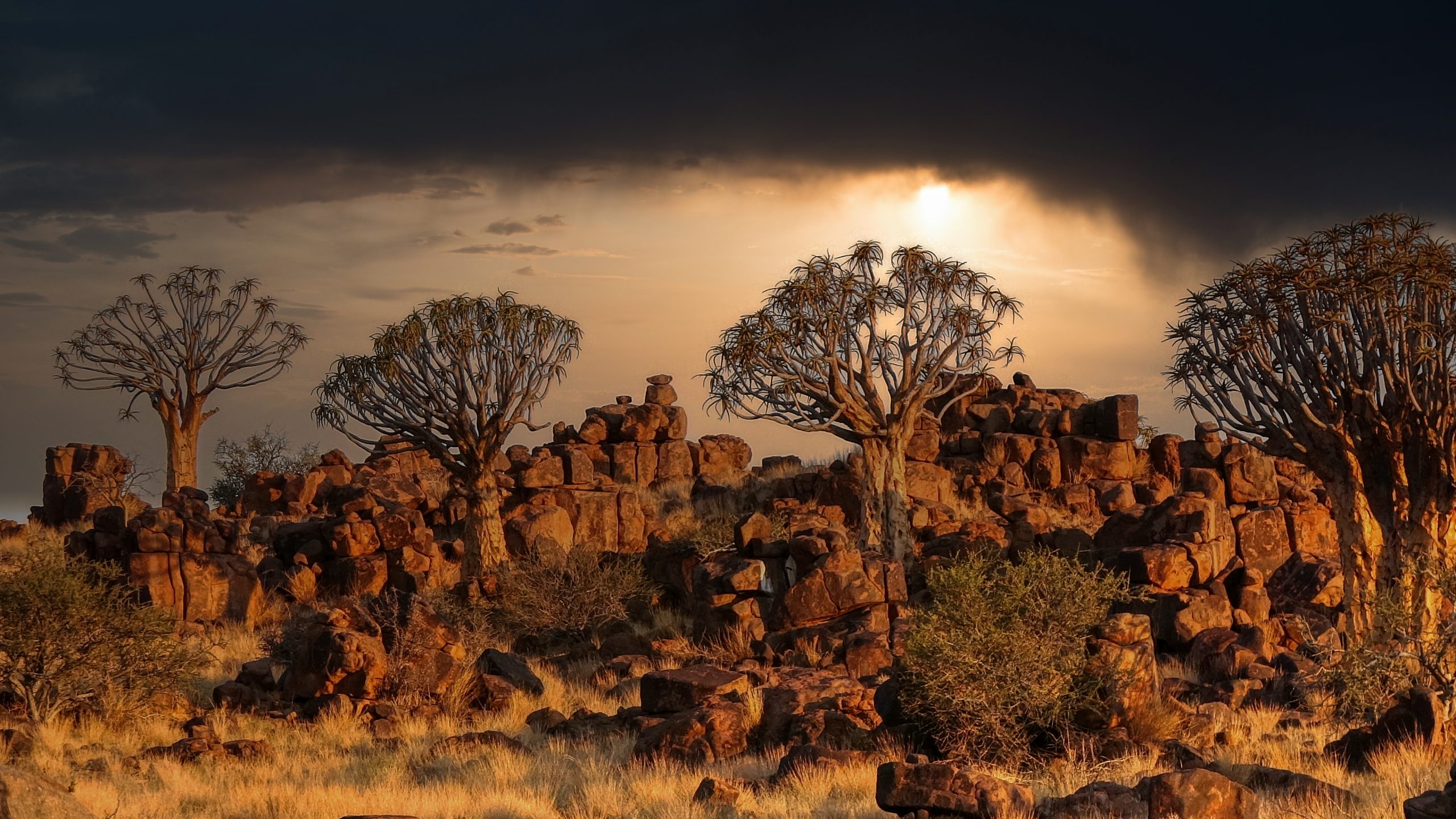
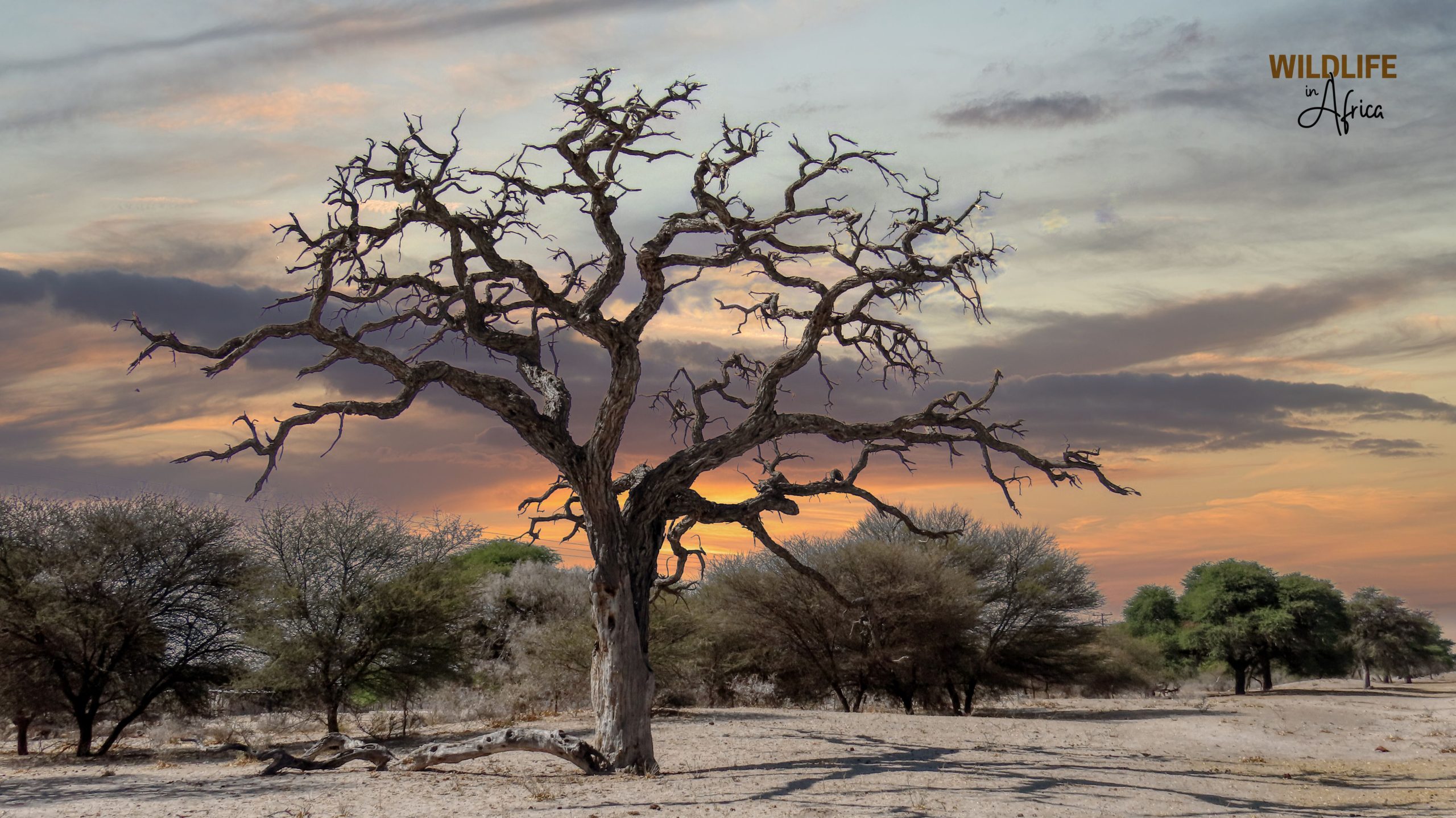
While driving home from the Kgalagadi Transfrontier National Park, I was rather looking forward to sharing my incredible experience. The beauty of this extraordinary landscape was still fresh in my mind, and I couldn’t wait to recount the highlights of my adventure. The Kgalagadi, a vast and stunning region renowned for its breathtaking landscapes and unique wildlife, is situated in the Northern Cape, South Africa as well as traversing into Botswana. This remarkable area spans across both Botswana and South Africa, encompassing a diverse array of ecosystems that attract visitors from around the globe. Where the striking red dunes and vast scrubland seamlessly fade into infinity, herds of gemsbok, springbok, eland, and blue wildebeest gracefully follow the rhythm of the seasons. It is a place where imposing camel thorn trees provide much-needed shade for huge black-mane lions lounging lazily beneath them. These majestic predators, with their regal presence, are a sight to behold. Meanwhile, the trees also serve as excellent vantage points for leopards stealthily observing their surroundings and for countless raptors soaring overhead, scanning the terrain for their next meal. This breathtaking tranquillity can only be found in the incredible Kgalagadi Transfrontier Park, a true gem that captivates the hearts of all who visit. Accommodation options in the stunning Kgalagadi are diverse and cater to various preferences, comprising three main rest camps (Twee Rivieren, Mata-Mata, and Nossob) that provide family chalets equipped for comfort, along with camping facilities for those looking to connect with nature. Additionally, five charming rustic wilderness camps (Kieliekrankie, Urikaruus, Gharagab, Bitterpan, and Grootkolk) offer truly secluded self-catering experiences that allow visitors to immerse themselves in the natural beauty of the park. For those seeking a more luxurious experience, the renowned! Xaus Lodge presents an exquisite getaway with enhanced amenities and breathtaking views. Most of the accommodations are self-catering, which means that visitors are encouraged to bring their supplies, including food and drinks, to fully enjoy their stay in this magnificent park. This ensures a more personalized experience as guests can prepare meals at their own pace, making the most of their adventure in this unique natural sanctuary. Game viewing in the Kgalagadi is truly exceptional and is often described as one of the best wilderness safari experiences in Africa. Visitors are frequently captivated by the opportunity to spot formidable predators such as the famous black-maned Kalahari lion, cheetah, and leopard, all of which thrive in this unique environment. The park features dry riverbeds that stretch for miles and vast, stunning red dunes that beautifully contrast with the arid landscape, making it an ideal location for tracking large antelope and magnificent raptors. While the park does not accommodate elephants, rhinos, or buffalo, the diverse range of wildlife you can encounter here is unmatched. The experience of wandering through this captivating wilderness, with its rich tapestry of colours and sounds, leaves every visitor with unforgettable memories and a deep appreciation for nature. The Kgalagadi is renowned for its unique and diverse wildlife, specially adapted to thrive in the harsh, arid conditions of the Kalahari Desert. This stunning park is most famously home to the majestic black-maned Kalahari lion, which epitomizes the wild beauty of the region. In addition to the lions, visitors may also encounter the elusive pangolin, known for its distinctive armour and shy nature, the tenacious honey badger, famed for its fearlessness, and the enigmatic aardvark, a nocturnal creature known for its long snout and digging habits. Other unusual species that inhabit this extraordinary landscape include the bat-eared fox, with its large ears designed for acute hearing, the graceful Cape fox, as well as playful ground squirrels, charming meerkats, and the rare and tiny black-footed cat, which is a hidden gem of this wildlife haven. Each of these species contributes to the rich tapestry of life found in the Kgalagadi Transfrontier Park, making it a spectacular destination for wildlife enthusiasts and nature lovers alike. Traveling to the Kgalagadi Transfrontier Park from Johannesburg involves a long road trip, typically covering over 900 km and taking roughly 10–11 hours of driving time, usually passing through or near Upington.As you make your way, you’ll witness a dramatic change in landscapes, transitioning from the bustling urban environment to serene desert vistas.The journey takes you from the North West province into the far Northern Cape, with the main entrance point being Twee Rivieren. Visitors staying overnight at a number of the park-run camps, namely Twee Rivieren, Nossob, Mata-Mata and the Kalahari Tented Camp can enjoy a guided morning or sunset guided game drives.These guided drives offer a unique opportunity to witness the diverse wildlife in their natural habitat while being accompanied by knowledgeable guides.For those looking for some exercise, the parks also offer guided walking safari experiences where visitors can accompany a guide through the bush on foot in search of African wildlife.As temperatures rise, the pools provide a refreshing escape from the heat and are a perfect way to unwind after a day of exploration.During the hot summer months guests staying at Twee Rivieren,Kalahari Tent camps, Mata Mata and Nossob camps can also enjoy a swim in the swimming pool. The reserve has a number of 4X4 trails to explore ranging from a few hours to overnight excursions.Adventurous visitors can also choose to embark on a self-guided tour of these trails for a more personal and immersive experience.The two longest trails are the 214 kilometre Nossob Eco Trail and the 257 kilometre Wilderness Trail. The reserve is known to offer fantastic game viewing from watering holes and guests are advised to pack a picnic or a few snacks, head to a nearby waterhole and sit back and relax for a few hours, watching as a wide variety of African game; from Lion, Cheetah and Leopard, to Gemsbok, Blue Wildebeest and Common Eland, all come down to the water to drink and cool down.This tranquil experience offers an incredible chance to observe the animal kingdom at its finest, especially during the early morning or late afternoon when wildlife